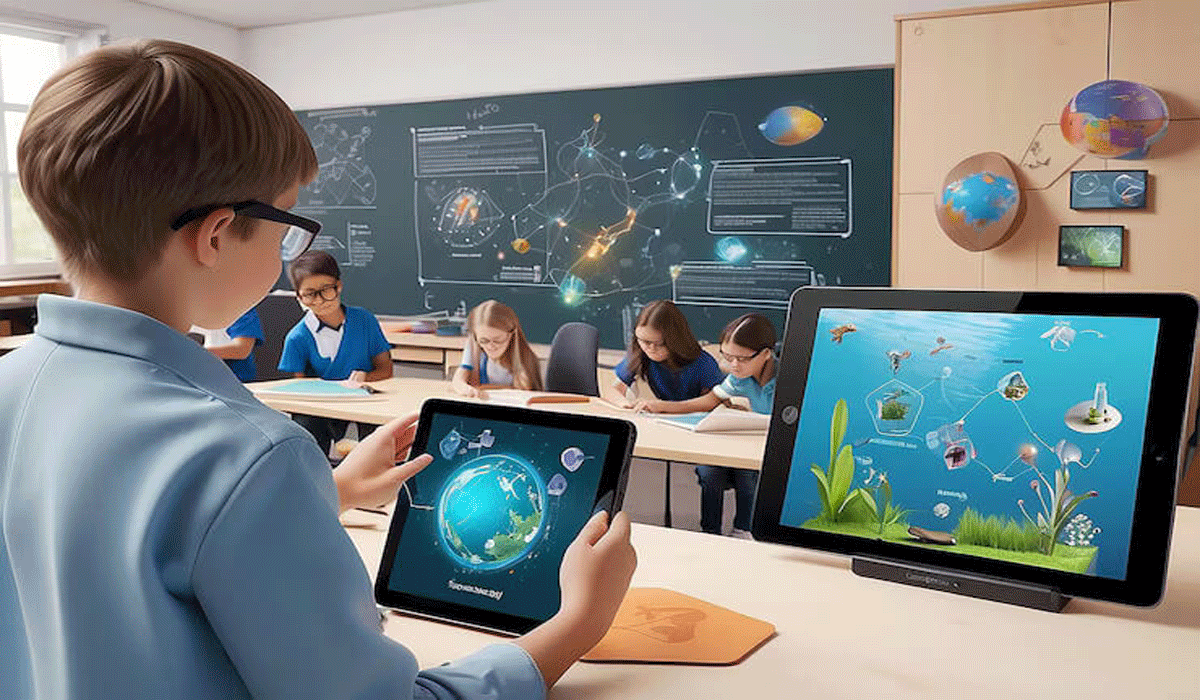
In a fast changing world shaped by technology and evolving learning needs, teachers must build modern education skills to stay.
Educators are now expected to combine traditional teaching methods with innovative approaches that support diverse learners, build engagement, and prepare students for the future.
With the right strategies, teachers can elevate their TEACHING approach and create a more dynamic, meaningful, and impactful learning environment.
Digital Literacy and Technological Integration
Digital literacy has become one of the most essential skills in modern education. Teachers are no longer only responsible for delivering lessons; they must also understand how to integrate technology in ways that enhance the learning experience. When used effectively, digital tools help students learn faster, stay more engaged, and participate actively in the classroom.
Using Digital Tools to Enhance Learning
Educational platforms, interactive videos, virtual simulations, and classroom management apps allow teachers to create more engaging lessons. These tools help students visualize complex concepts, practice independently, and enjoy a more interactive style of learning that keeps them motivated.
Developing Internet-Based Learning Materials
Today’s teachers must feel confident creating materials that students can access online. Whether it’s digital modules, interactive quizzes, or recorded lessons, online resources give students the flexibility to learn anytime and anywhere. This approach improves accessibility and supports students with different learning paces.
Student-Centered Instructional Strategies
Student-centered learning has become a cornerstone of modern education. Rather than relying solely on lectures, teachers are encouraged to promote collaboration, critical thinking, and active participation. This approach helps students take ownership of their learning and strengthens key skills they will need in real life.
Encouraging Collaboration in the Classroom
Group projects, peer discussions, and cooperative learning activities help students share ideas, build deeper understanding, and work effectively with others. In this model, the teacher acts as a facilitator who guides learning rather than simply delivering information.
Applying Differentiated Instruction
Students have different abilities, backgrounds, and learning styles. Differentiated instruction allows teachers to adjust teaching methods, materials, and activities to meet individual needs. By offering choice and flexibility, teachers ensure that every student feels supported and has the opportunity to succeed.
Also Read: Bringing Research To Life, How Teachers Turn Studies into Engaging Lessons
Professional Growth and Reflective Teaching

Successful teachers understand that learning never stops. Continuous professional development and reflective practice help teachers adapt to changes in education and improve their teaching skills over time. By staying open to new ideas and evaluating their own performance, teachers become more effective and confident in the classroom.
Expanding Skills Through Ongoing Training
Workshops, seminars, and online courses provide teachers with opportunities to update their knowledge and learn new teaching techniques. Professional development also helps educators stay informed about the latest trends and innovations in education.
Using Reflection to Improve Teaching Quality
Reflective teaching encourages educators to think critically about each lesson they deliver. By reviewing what worked well and what needs improvement, teachers can refine their strategies and create better learning experiences. Regular reflection strengthens classroom management, instructional clarity, and student outcomes.
Conclusion
Modern education requires teachers to be adaptable, innovative, and committed to continuous improvement. By mastering digital literacy, implementing student-centered strategies, and engaging in ongoing professional growth, teachers can create learning environments that are effective, inclusive, and future-ready.
When TEACHING evolves with the times, students gain higher motivation, stronger engagement, and improved academic achievement.
Image Information Source:
- First Image : panoramaed.com
- Second Image : teachhub.com
About the Author