Explore how technology enhances education with interactive tools, personalized learning, and online access for students everywhere.
From online learning platforms to interactive tools in the classroom, technology is transforming how students learn and teachers teach. By integrating digital tools into the educational experience, schools can offer personalized learning, enhance engagement, and prepare students for a tech-driven future.
This TEACHING article explores the key ways technology is enhancing education and why it is crucial for modern learning.
The Role of Digital Tools in the Classroom
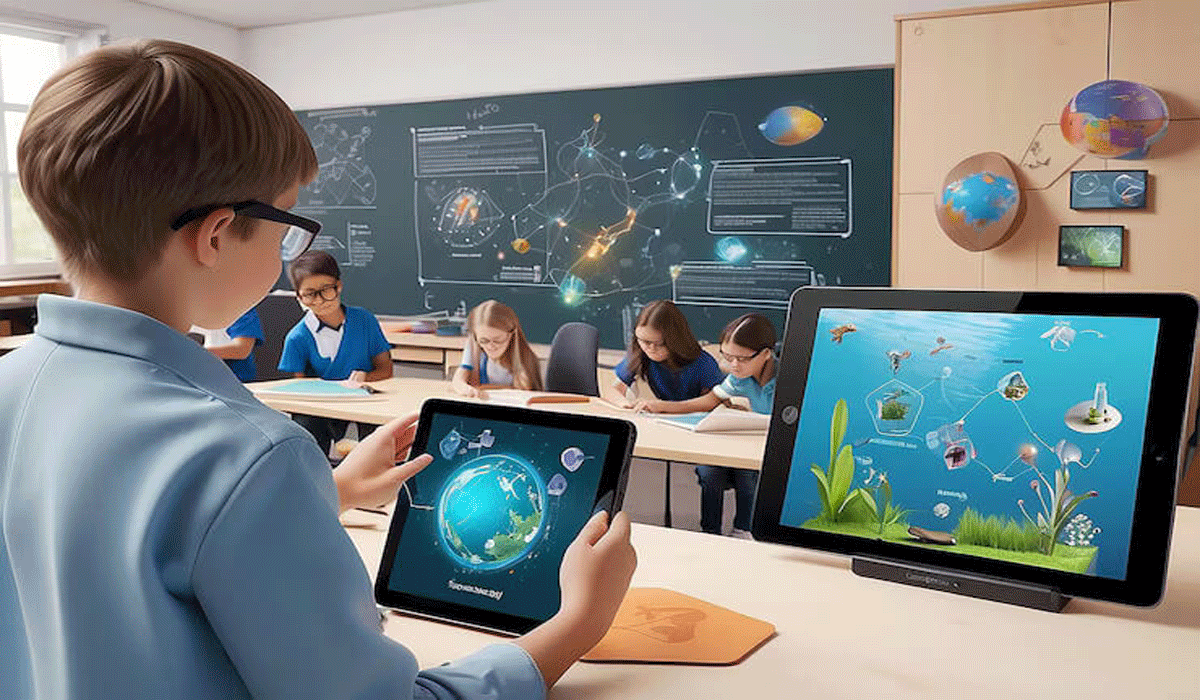
Digital tools, such as tablets, smartboards, and educational apps, are changing the way students interact with information. Instead of passively listening to lectures, students can now engage in interactive lessons, quizzes, and simulations. Tools like these help improve retention and understanding by making learning more dynamic and hands-on.
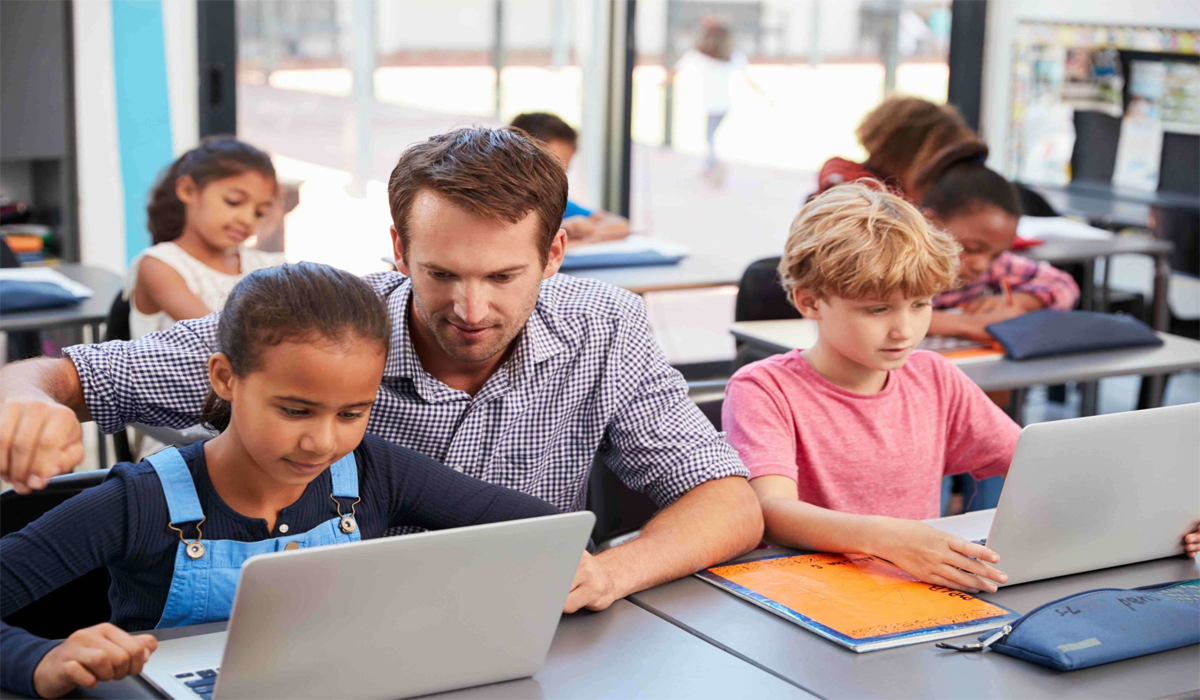
Teachers can also track student progress in real-time, identifying areas where additional support is needed. This ensures that every student receives a learning experience tailored to their needs.
Personalized Learning Through Technology
One of the most significant benefits of technology in education is the ability to personalize learning. Adaptive learning software can analyze a student’s strengths and weaknesses, then adjust the material to match their learning pace. For instance, if a student struggles with math, the program can offer additional exercises and explanations.
Personalized learning keeps students motivated and reduces frustration, as they are not forced to move ahead before mastering key concepts. This approach also allows educators to focus their attention on students who need the most help.
Read Also: Realizing a Bright Future Through Quality Education
Online Learning and Accessibility
Technology has also made education more accessible than ever before. Online courses and virtual classrooms break down geographical barriers, allowing students from different regions to access high-quality learning resources.
This is particularly valuable for students in rural areas or those with disabilities, as they can learn at their own pace without the limitations of a physical classroom. Moreover, online learning platforms often provide a wide range of subjects and courses, giving students the flexibility to explore new interests and skills beyond the standard curriculum.
Preparing Students for the Future Workforce
Integrating technology into education not only enhances learning but also prepares students for the demands of the modern workforce. Digital literacy, problem-solving, and coding are now considered essential skills in many careers.
Schools that incorporate technology into their teaching help students develop these competencies early, giving them a competitive edge in college and the job market. By becoming comfortable with technology in a learning environment, students are better equipped to adapt to the rapid technological changes they will face in their professional lives.
Conclusion
Technology is revolutionizing education by making learning more interactive, personalized, and accessible. From digital tools in the classroom to online courses and adaptive learning software, these innovations help students achieve their full potential.
As schools continue to integrate technology into their curricula, students will not only enjoy a more engaging educational experience but also develop the skills needed for success in the 21st-century workforce. Embracing technology in education is no longer optional it is a vital step toward building a brighter and more inclusive future for all learners.
Watch and keep following, don’t miss the most complete information regarding TEACHING.
Image Source:
- First Image: teachhub.com
- Second Image: efrontlearning.com
About the Author