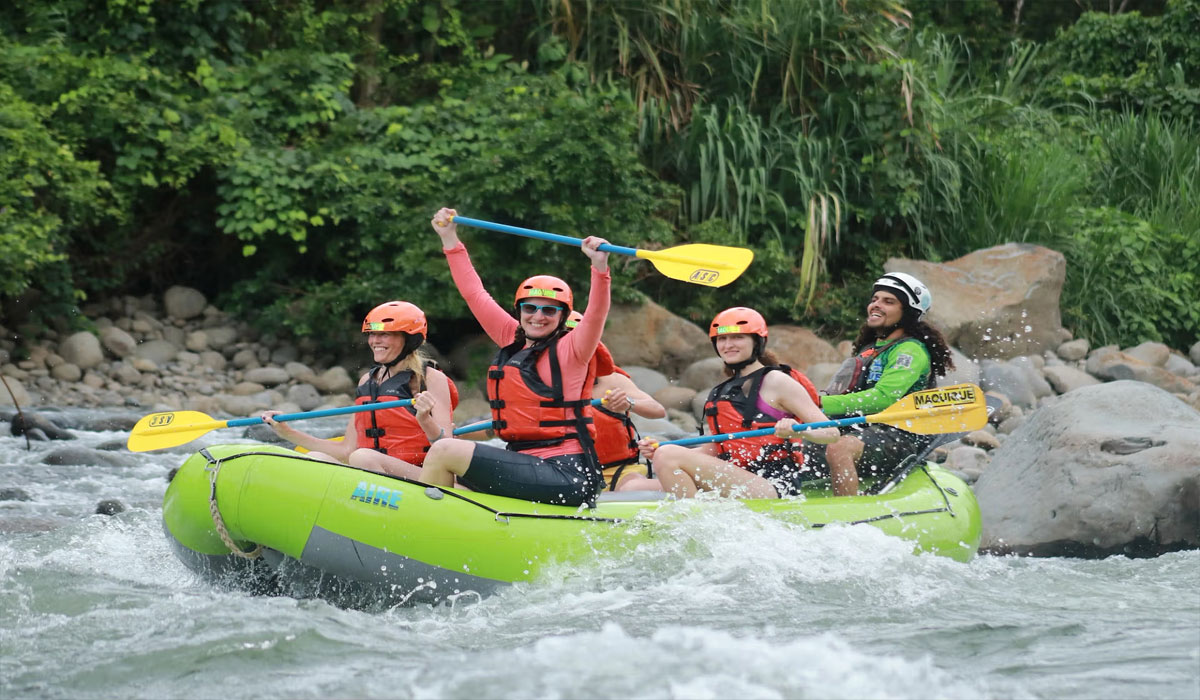
Adventure sports such as mountain climbing, rock climbing, surfing, trail running, and scuba diving demand more than courage and skill.
These high-intensity activities push the human body to its physical and mental limits. To perform safely and effectively, athletes must support their bodies with proper nutrition and structured fitness training. Diet and fitness play a critical role in enhancing endurance, strength, focus, and recovery, making them essential pillars of success in adventure sports.
The following TEACHING will discuss the role of diet and fitness in Adventure Sports that you should know.
Understanding the Physical Demands of Adventure Sports
Adventure sports require a unique combination of strength, endurance, flexibility, balance, and mental resilience. Unlike traditional sports, these activities often take place in unpredictable environments such as mountains, oceans, forests, or extreme weather conditions. The body must adapt quickly to altitude changes, temperature fluctuations, and prolonged physical exertion.
For example, mountain climbers need exceptional cardiovascular endurance and leg strength to sustain long ascents, while surfers rely on core stability, upper-body strength, and explosive power. These varied demands place stress on muscles, joints, and energy systems, making physical preparedness a non-negotiable factor.
A well-planned fitness routine helps build the stamina and resilience required to meet these challenges. Functional training, endurance workouts, and flexibility exercises ensure the body can handle sudden movements, long durations of effort, and recovery between intense sessions.
The Importance of Proper Nutrition for Peak Performance
Diet is the foundation that fuels the body for adventure sports. Without adequate nutrition, even the most well-trained athlete may struggle with fatigue, slow reaction times, and decreased strength. Proper nutrition provides the energy needed for performance while supporting muscle repair and immune function.
Carbohydrates are essential for sustained energy, especially during long-duration activities such as trekking or cycling. Proteins play a vital role in muscle repair and recovery, helping prevent injury and overtraining. Healthy fats contribute to long-term energy storage and support joint health, which is particularly important in high-impact sports.
Micronutrients such as iron, calcium, magnesium, and vitamins also play a key role. Iron supports oxygen transport, calcium strengthens bones, and magnesium aids muscle function. Hydration is equally important, as dehydration can lead to cramps, dizziness, and reduced endurance. Adventure athletes should focus on balanced meals and adequate fluid intake before, during, and after activities.
Read Also: Preparing Students for a Dynamic World through Creative Learning
Fitness Training Strategies for Adventure Athletes

Fitness training for adventure sports should be tailored to the specific demands of the activity. A balanced program typically includes cardiovascular training, strength conditioning, flexibility work, and balance exercises. This holistic approach prepares the body for real-world challenges encountered outdoors.
Cardiovascular training such as running, cycling, or swimming improves heart and lung efficiency, allowing athletes to sustain activity for longer periods. Strength training builds muscle power and joint stability, reducing the risk of injury during falls or sudden movements. Core training is especially important, as it supports posture, balance, and overall movement control.
Flexibility and mobility exercises help maintain joint range of motion and prevent muscle tightness. Yoga and stretching routines are popular among adventure athletes because they enhance flexibility while improving mental focus. Consistent training not only improves physical readiness but also builds confidence and mental toughness.
Recovery, Injury Prevention, and Long-Term Performance
Recovery is often overlooked but is just as important as training and nutrition. Adventure sports place significant stress on the body, and without proper recovery, athletes may experience burnout or chronic injuries. Rest allows muscles to repair and adapt, leading to improved performance over time.
Sleep plays a crucial role in recovery, supporting muscle growth, hormone regulation, and mental clarity. Active recovery methods such as light stretching, walking, or swimming can help reduce muscle soreness and improve circulation. Proper post-activity nutrition, including protein and carbohydrates, accelerates muscle repair and replenishes energy stores.
Injury prevention is closely linked to fitness and diet. Strong muscles and flexible joints reduce strain, while adequate nutrition supports tissue repair and bone strength. By prioritizing recovery and listening to their bodies, adventure athletes can enjoy long-term participation and consistent performance.
Don’t miss other interesting information on TEACHING which is updated every day.
Image Source:
- First Image from universidadeuropea.com
- Second Image from missadventurepants.com
About the Author