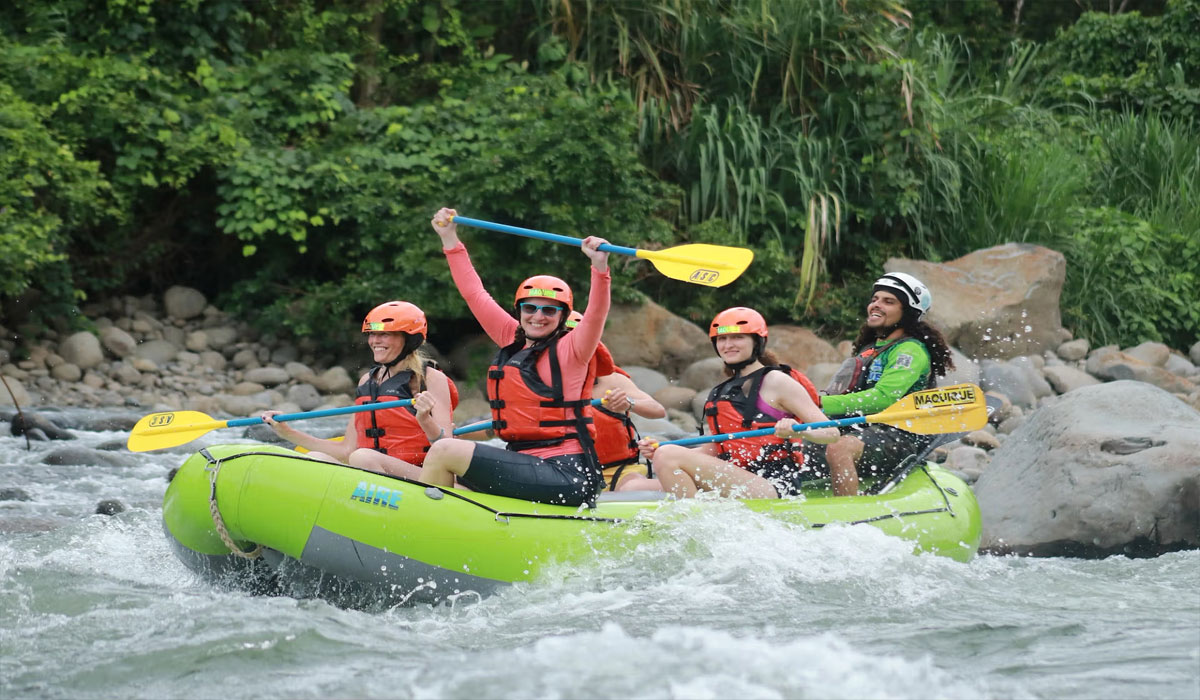
Impact of adventure sports on health.
Adventure sports enhance physical fitness, build mental resilience, and boost confidence by challenging the body and mind in raw natural environments.
Adventure sports are often associated with adrenaline, risk, and breathtaking experiences. Activities such as rock climbing, surfing, mountain biking, paragliding, and white-water rafting push individuals beyond their comfort zones and challenge both body and mind. However, beyond the thrill, adventure sports play a significant role in improving physical fitness and strengthening mental health. When practiced responsibly, these sports offer long term health benefits that go far deeper than excitement alone.
Below, TEACHING will provide some explanations regarding the impact of adventure sports on physical and mental health.
Physical Strength and Endurance Development
Adventure sports demand full-body engagement, making them highly effective for building strength and endurance. Activities like climbing, kayaking, and trail running require the use of multiple muscle groups simultaneously, improving muscle tone, balance, and coordination. Over time, participants experience increased cardiovascular fitness, stronger core muscles, and enhanced flexibility, all of which contribute to overall physical resilience.
In addition to strength gains, adventure sports also promote functional fitness. Unlike repetitive gym routines, these sports involve dynamic movements and unpredictable environments, forcing the body to adapt constantly. This adaptability improves agility and reaction time, reducing the risk of injury in everyday activities. As a result, adventure athletes often develop bodies that are not only strong but also highly efficient and responsive.
Mental Resilience and Stress Reduction
One of the most profound impacts of adventure sports lies in mental health. Facing natural elements, heights, speed, or uncertainty requires focus and emotional control. This exposure helps individuals develop mental resilience, teaching them how to manage fear, remain calm under pressure, and make decisions in challenging situations. Over time, these skills translate into greater confidence and emotional stability in daily life.
Adventure sports also serve as powerful stress relievers. Being immersed in nature and fully present in the moment reduces rumination and mental fatigue. Physical exertion combined with natural surroundings triggers the release of endorphins, lowering stress levels and improving mood. Many participants report feeling mentally refreshed and emotionally balanced after engaging in adventure activities.
Read Also: Boost Your Wellness With Adventure Sports
Boosting Self-Confidence and Personal Growth
Successfully completing an adventure sport challenge can be transformative. Whether reaching the top of a mountain or navigating rough waters, overcoming obstacles builds a strong sense of achievement. These experiences reinforce self belief and encourage individuals to trust their abilities, fostering a positive self image and higher self esteem.
Moreover, adventure sports promote personal growth through continuous learning. Participants must develop technical skills, assess risks, and adapt to new environments. This process nurtures problem solving abilities and perseverance. Each challenge conquered becomes a reminder that limitations can be expanded, inspiring a growth mindset that extends beyond sports into personal and professional life.
Social Connection and Emotional Wellbeing
Many adventure sports are social by nature, often practiced in groups or communities. Shared challenges create strong bonds between participants, encouraging teamwork, communication, and mutual trust. These social interactions play a vital role in emotional wellbeing, reducing feelings of isolation and strengthening a sense of belonging.
Additionally, being part of an adventure sports community offers emotional support and motivation. Encouragement from peers can help individuals push past mental barriers while fostering empathy and cooperation. These positive social experiences contribute to improved mental health and create lasting connections rooted in shared passion and respect for nature.
Conclusion
Adventure sports offer far more than excitement and physical challenge. They enhance physical strength, build mental resilience, reduce stress, and support emotional wellbeing through personal growth and social connection. When practiced safely and mindfully, adventure sports become a powerful tool for achieving balanced physical and mental health. Embracing adventure is not just about seeking thrills, but about discovering strength, clarity, and confidence within oneself.
Image Source:
First Image from skatehut.co.uk
Second Image from capeadventures.co.za
About the Author