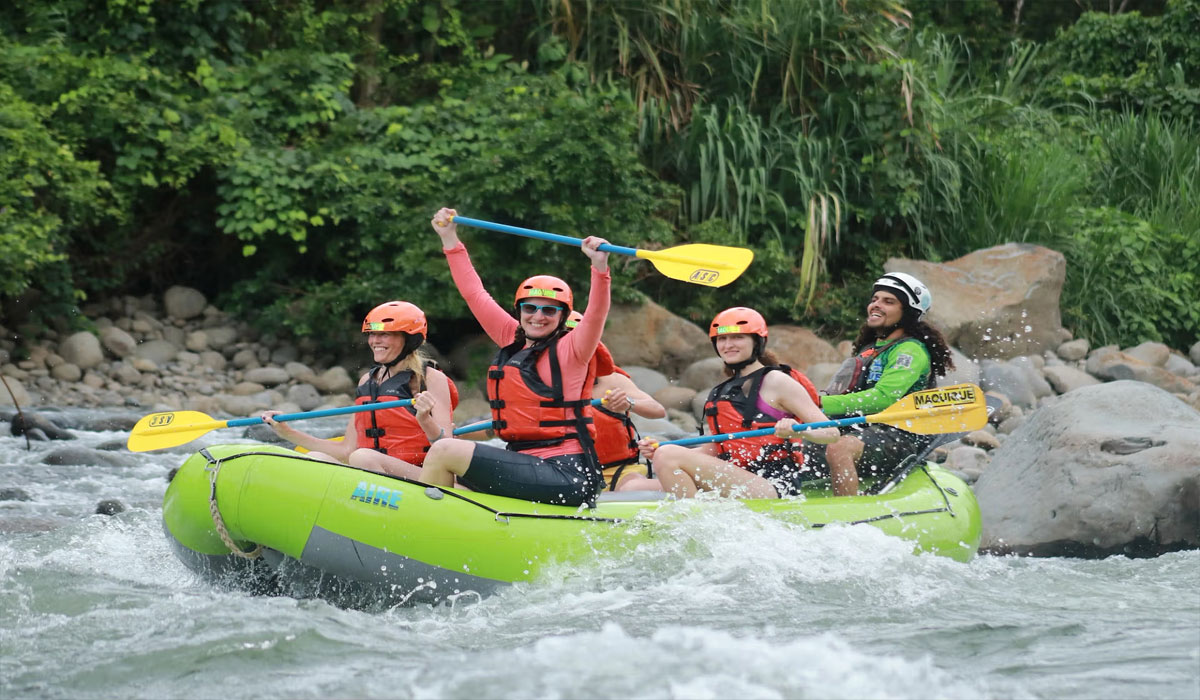
Healthy Living Through Adventure Sports

Healthy Living
Healthy living comes alive through adventure sports boost fitness, sharpen focus, and enjoy an active lifestyle full of excitement.
Modern lifestyles often prioritize convenience and comfort, but these habits can lead to physical inactivity, stress, and declining mental health. As people search for more engaging ways to stay healthy, adventure sports have emerged as an effective and exciting solution. Activities such as mountain biking, rock climbing, scuba diving, surfing, and trail running combine physical exertion with outdoor exploration, making healthy living both enjoyable and sustainable.
Enhancing Physical Fitness Through Adventure Sports
Adventure sports are powerful tools for improving overall physical fitness. Unlike traditional workouts that may focus on isolated muscle groups, adventure sports demand full-body engagement. For example, rock climbing strengthens the arms, shoulders, core, and legs, while mountain biking enhances cardiovascular endurance and lower-body strength.
These activities also improve flexibility, coordination, and balance due to the unpredictable environments in which they take place. Navigating uneven terrain or changing weather conditions challenges the body to adapt quickly, resulting in improved motor skills. Regular participation in adventure sports can help reduce the risk of obesity, heart disease, and other lifestyle-related illnesses while promoting long-term physical health.
Mental Well-Being and Emotional Balance
Beyond physical benefits, adventure sports play a significant role in supporting mental health. Being immersed in nature helps reduce stress hormones and promotes relaxation. The natural environment, combined with physical movement, creates a calming effect that can significantly lower anxiety and depression levels.
Adventure sports also encourage mindfulness. When surfing a wave or navigating a climbing route, participants must stay fully focused on the task at hand. This deep concentration helps clear the mind of negative thoughts and mental distractions. Over time, this practice enhances emotional balance, boosts self-esteem, and contributes to a more positive outlook on life.
Also Read: The Impact of Adventure Sports on Physical and Mental Health
Developing Discipline and Mental Resilience
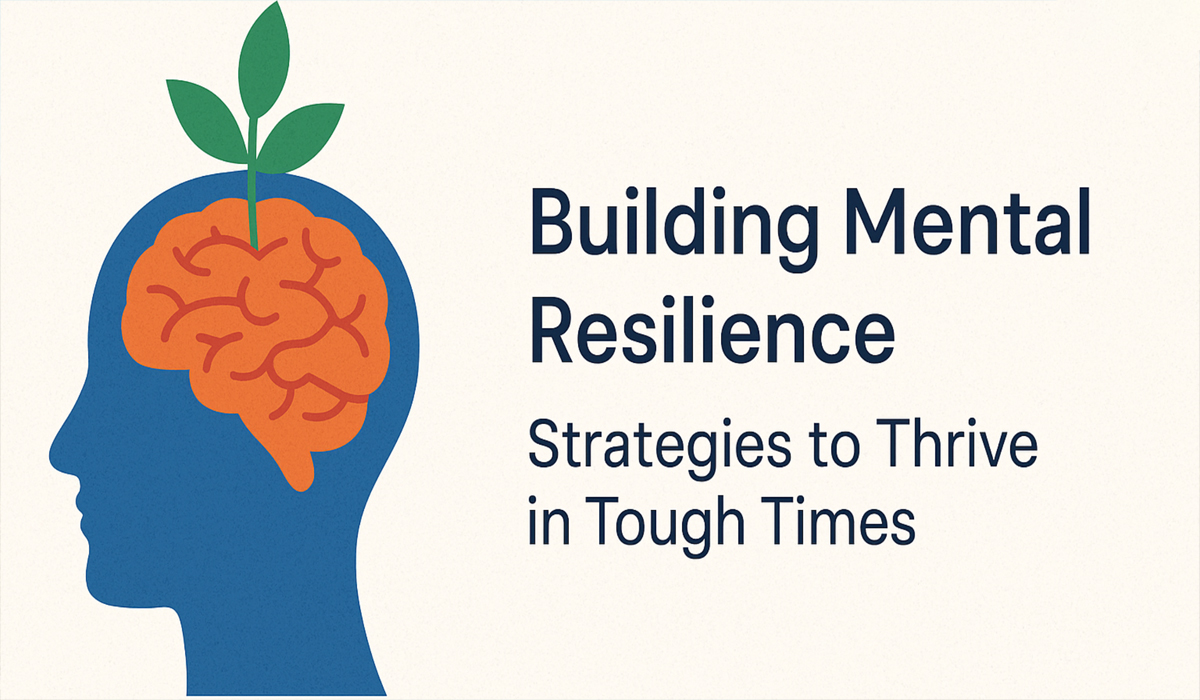
Adventure sports require preparation, consistency, and determination. Training for a long trek or mastering a technical skill demands discipline and patience. Participants learn to set goals, manage risks, and overcome physical and mental barriers, all of which build strong mental resilience.
Facing fear is another important aspect. Whether it is diving into deep waters or jumping off a cliff with safety equipment, adventure sports push individuals beyond their comfort zones. Successfully confronting these fears builds confidence and mental toughness. These qualities are transferable to everyday life, helping individuals cope with pressure, failure, and uncertainty more effectively.
Strengthening Social Bonds and Community
Many adventure sports are social by nature. Group activities such as rafting, climbing, or expedition trekking require teamwork, trust, and communication. Participants often depend on each other for safety and encouragement, which naturally strengthens social bonds.
Adventure sports communities also foster inclusivity and mutual respect. People from different backgrounds come together with a shared passion for exploration and challenge. These strong social connections improve emotional health, reduce loneliness, and create a sense of belonging that is essential for a healthy and fulfilling life.
Encouraging an Active and Sustainable Lifestyle
Adventure sports promote a lifestyle centered around movement and environmental awareness. Spending time in natural settings encourages appreciation for the environment and inspires individuals to protect and preserve it. Many adventure sport enthusiasts adopt eco-friendly habits and advocate for sustainable tourism.
Additionally, adventure sports motivate individuals to maintain healthier daily routines. Better sleep, improved nutrition, and reduced screen time often follow a more active lifestyle. Because these activities are enjoyable and purpose-driven, people are more likely to stay committed compared to traditional exercise programs.
Conclusion
Healthy living through adventure sports is about more than physical fitness it is a holistic approach that nurtures the body, mind, and social well-being. By combining exercise, nature, mental challenge, and community, adventure sports provide a balanced and fulfilling lifestyle. In an era where inactivity and stress are widespread, embracing adventure sports offers a powerful way to achieve lasting health, personal growth, and a deeper connection to the world around us.
About the Author