Creative Methods to Improve Student Health and Fitness
Maintaining good health and fitness is crucial for students, as it not only improves academic performance but also enhances overall well-being.
However, traditional exercise routines and strict diets can feel monotonous or difficult to follow. By introducing creative and engaging methods, students can develop healthy habits that are sustainable, enjoyable, and effective. Below, TEACHING will explore innovative ways to improve student health and fitness in fun and practical ways.
Incorporate Active Learning
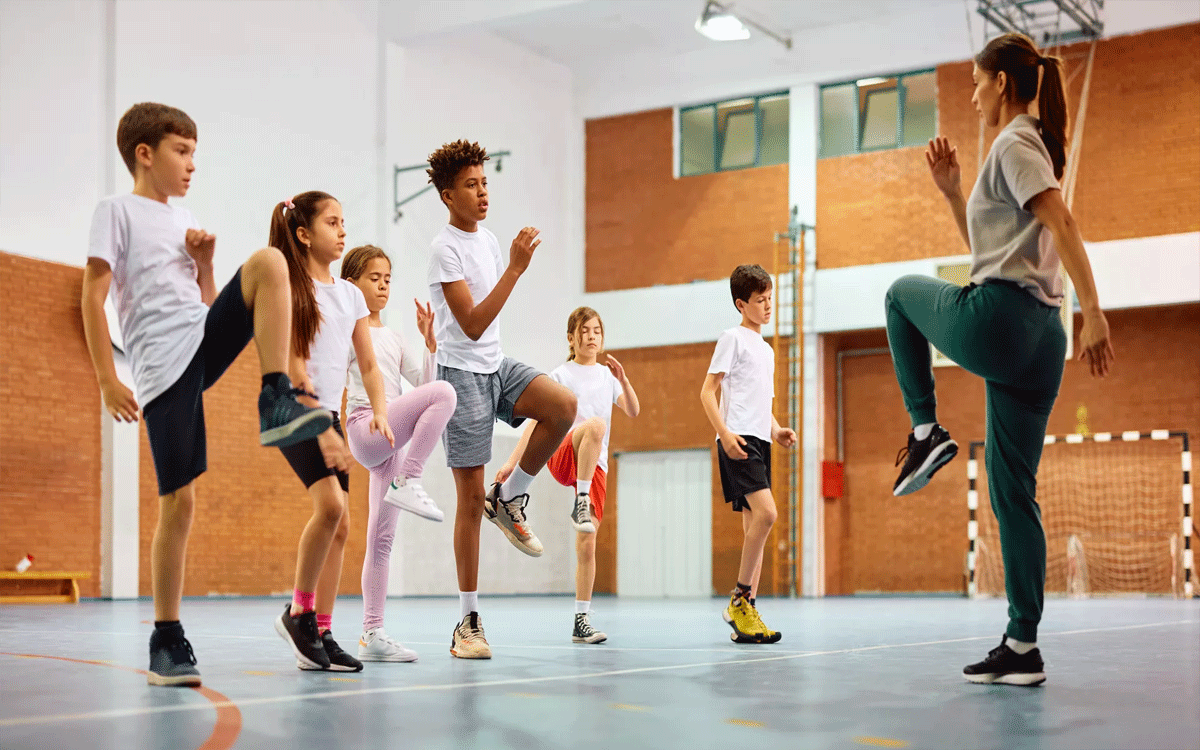
Active learning combines physical movement with study routines. For example, students can participate in walking discussions, standing group sessions, or interactive classroom activities that require movement. This approach keeps both the mind and body active, reducing sedentary behavior while enhancing focus.
Additionally, incorporating short exercise breaks between lessons can improve circulation and reduce stress. Even a five-minute stretch or a brief dance session helps students stay energized, making their learning experience more dynamic and productive.
Utilize Gamified Fitness Programs
Gamification transforms exercise into a fun, competitive, and rewarding experience. Students can track their steps, participate in fitness challenges, or use apps that reward achievements with points or badges. This approach motivates consistent activity without feeling like a chore.
Team-based fitness games, such as relay races or obstacle courses, also foster social interaction and cooperation. By turning exercise into a game, students are more likely to enjoy physical activity and maintain long-term commitment to fitness.
Read Also: Optimizing Learning: A Modern Approach In Education
Promote Outdoor Activities
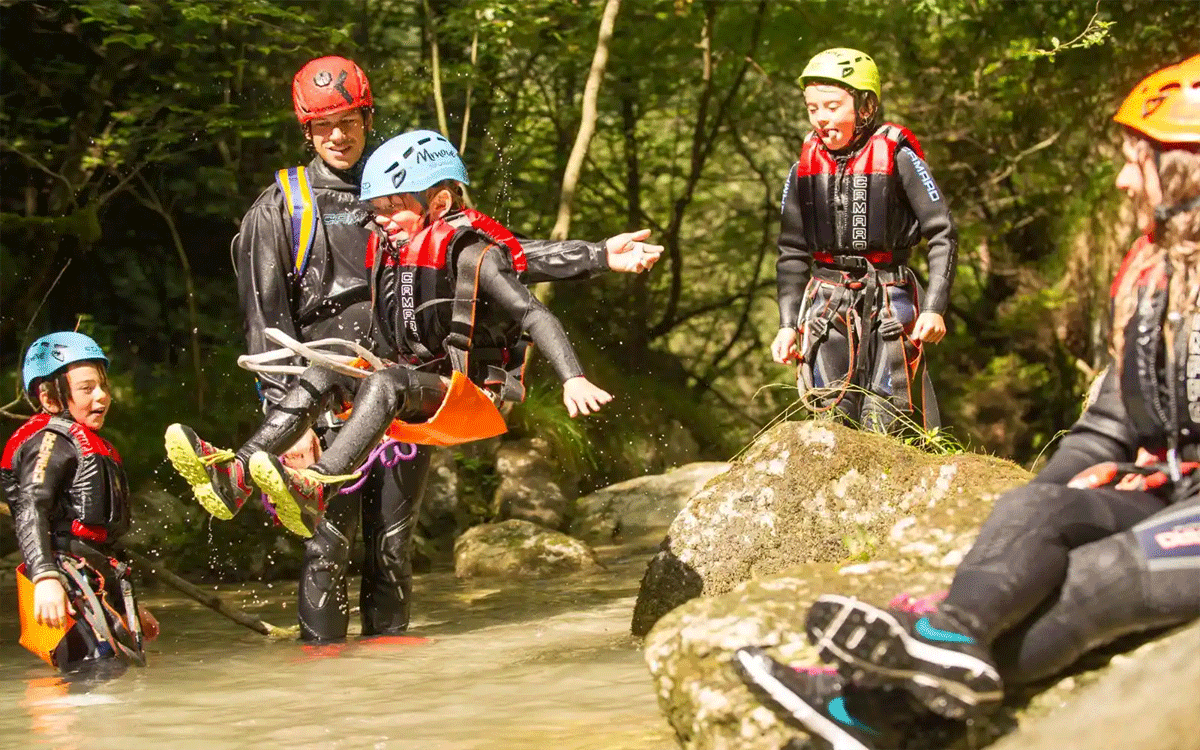
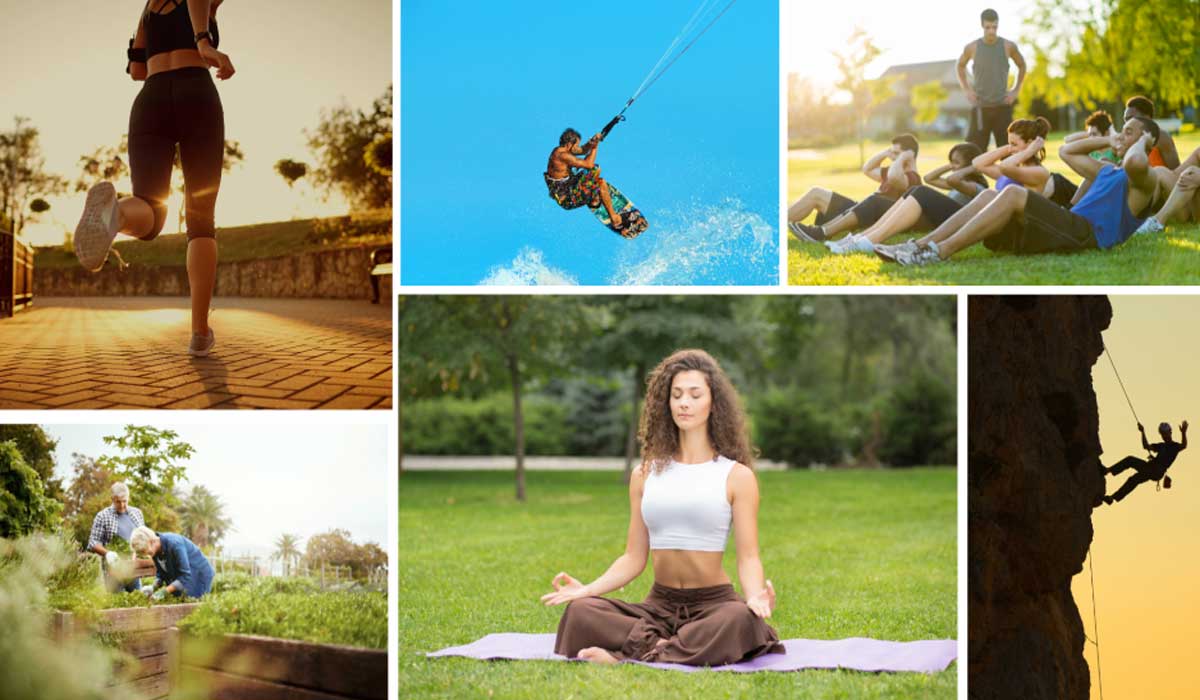
Spending time outdoors benefits both mental and physical health. Activities like hiking, cycling, or sports in the fresh air improve cardiovascular fitness, reduce stress, and enhance mood. Schools can organize weekly outdoor sessions to encourage participation.
Gardening or community service projects can also be incorporated into fitness routines. These activities provide light physical exertion while fostering a sense of responsibility and connection to nature, contributing to overall well-being.
Integrate Mind-Body Practices
Mind-body exercises such as yoga, tai chi, and meditation combine gentle physical activity with mental focus. These practices improve flexibility, balance, and core strength while reducing anxiety and stress. They are particularly helpful for students managing academic pressures.
Schools can offer short guided sessions during breaks or after classes. Even ten minutes of mindful breathing or stretching can significantly enhance mental clarity and physical relaxation, creating a balanced approach to health and fitness.
Encourage Creative Sports and Dance
Traditional sports may not appeal to every student, so offering creative alternatives can increase participation. Dance classes, martial arts, or unique team sports like ultimate frisbee provide fun ways to stay active while learning new skills.
Creative sports also allow students to express themselves, boost confidence, and develop social connections. By making exercise enjoyable rather than obligatory, students are more likely to incorporate regular activity into their daily routine.
Focus on Nutrition Education and Healthy Habits
Physical activity alone is not enough; nutrition plays a critical role in student health. Interactive workshops, cooking demonstrations, or healthy snack challenges can teach students how to make better food choices in an engaging way.
Encouraging small, practical habits, such as drinking more water, reducing sugary drinks, or preparing balanced meals, reinforces long-term health. When students understand the connection between diet and fitness, they are more likely to adopt holistic wellness practices.
For more insights on creative approaches to student wellness and fitness strategies, check out trusted resources here TEACHING.
Image Source:
- First Image from: nea.org
- Second Image from: explore-share.com
About the Author