Technology-Based Education is Increasingly Inevitable
Changes in technology-based education have made modern learning systems more adaptive and relevant for future generations.
Education is a systematic process to develop the knowledge, skills, and character of individuals to be ready to face the changes of the modern era effectively and sustainably. Below, TEACHING will discuss various important aspects that show why the integration of technology in the world of learning is increasingly inevitable.
Technological Developments in the World of Learning
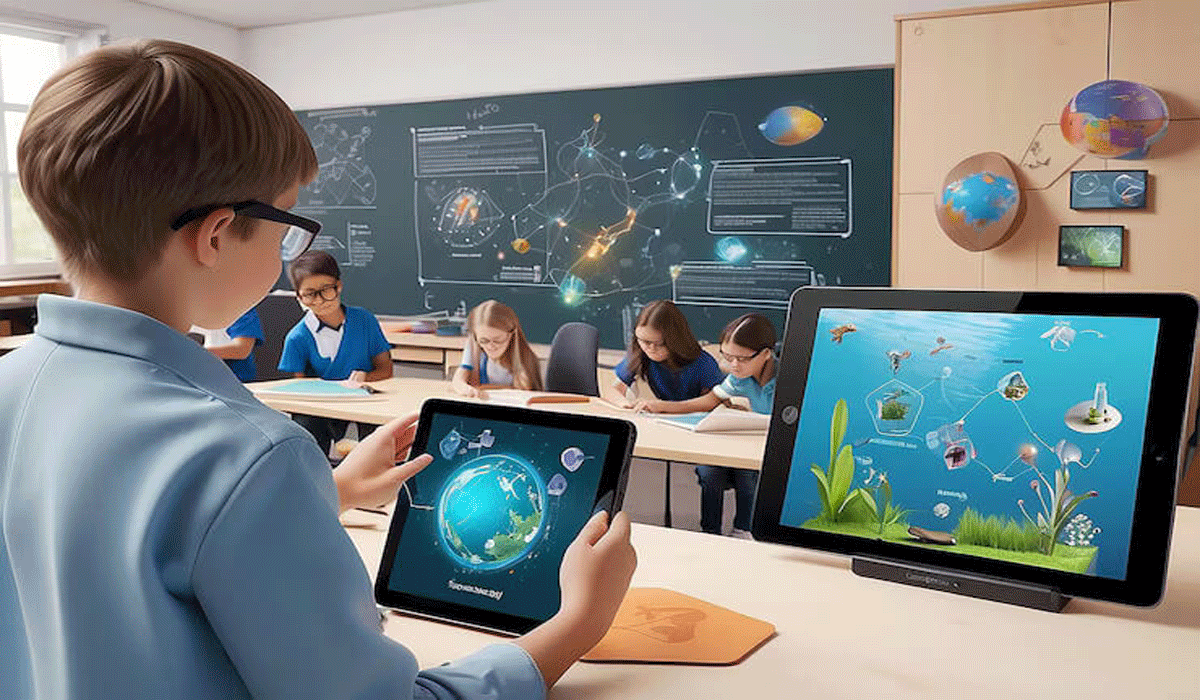
Digital transformation has transformed the way material is delivered in various institutions, so education is no longer limited to the physical classroom. Online learning platforms, interactive videos, and classroom management applications enable flexible and efficient learning processes. Many schools and universities are beginning to utilize Learning Management Systems to manage assignments, evaluations, and academic communication.
This change also encourages teachers to improve their digital competencies to present more engaging materials. With adequate infrastructure support, students can access global learning resources at any time. This situation demonstrates that the use of technology is not just a trend, but a strategic necessity to improve the overall quality of the learning process in the modern era.
Benefits of Technology Integration for Students
The use of digital devices provides a more personalized and adaptive learning experience, enabling technology-based education to adapt to each individual’s needs. Through learning analytics, the system can recommend materials according to the student’s level of understanding. Furthermore, the use of interactive multimedia helps improve information retention because the material is presented visually and contextually.
Access to digital libraries also broadens horizons without geographical boundaries. This method encourages independent learning while fostering digital literacy, which is increasingly important in the workplace. With the right approach, technology integration not only improves academic grades but also fosters critical thinking and problem-solving skills relevant to the demands of the 21st century.
Also Read: Thriving Beyond Limits: The Health Benefits of Adventure Sports
Implementation Challenges in Formal Institutions
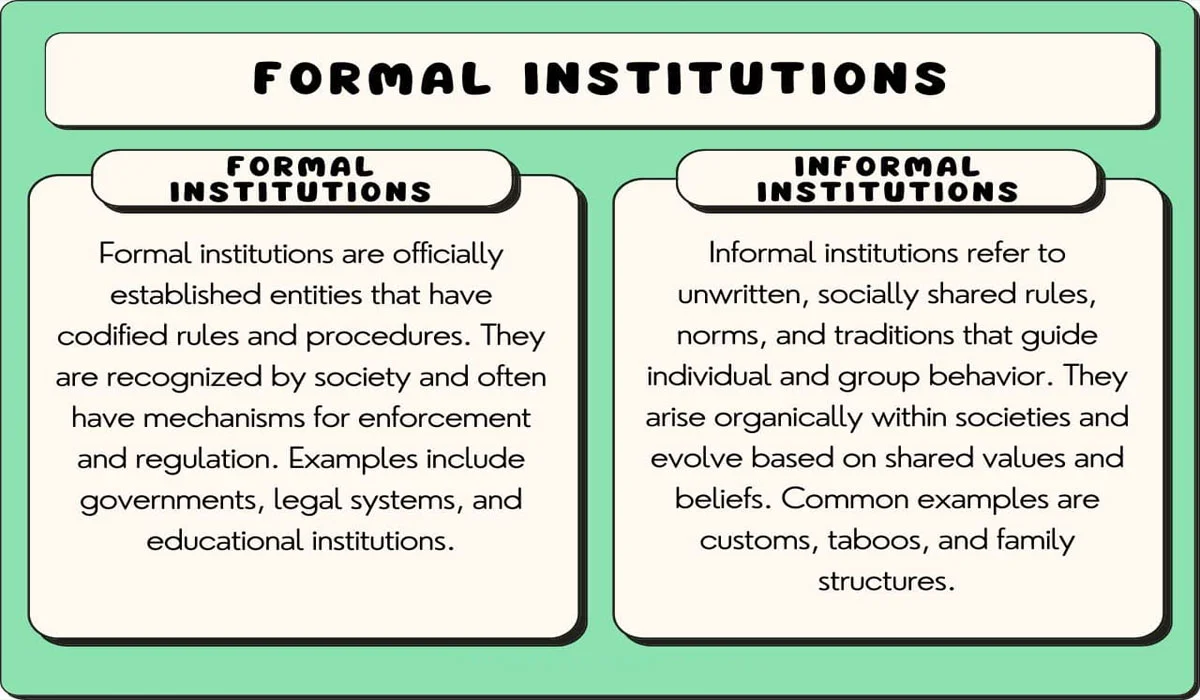
Despite its significant potential, the implementation of technology-based education still faces a number of real obstacles in the field. One major challenge is the infrastructure gap, especially in areas with limited internet access. Furthermore, the readiness of teaching staff is crucial, as not all educators possess adequate digital competencies. The costs of procuring equipment and maintaining systems are also a major consideration for many institutions.
Without careful planning, technology use risks becoming an operational burden. Therefore, a phased implementation strategy is needed, encompassing teacher training, network enhancements, and supporting policies to ensure effective and sustainable digital transformation within the learning ecosystem.
The Role of Teachers in the Digital Learning Era
Amidst technological advancements, the role of educators is irreplaceable; rather, it evolves alongside developments in modern education. Teachers now function as facilitators who guide the process of knowledge exploration, rather than simply conveying one-way material. With the support of technology, educators can design collaborative learning experiences through online discussions, problem-based projects, and real-time evaluations.
Digital pedagogical competence is a key requirement for the learning process to remain both humanistic and innovative. This approach helps maintain a balance between the use of technology and the development of student character. When teachers are able to adapt, the quality of learning interactions actually improves, even in an increasingly digitalized environment.
The Future of Technology-Based Learning Systems
Global trends indicate that education development will increasingly integrate with artificial intelligence, virtual reality, and data analytics. Technology enables more predictive learning, where systems can identify student difficulties early on. Going forward, the hybrid classroom concept is expected to become the new standard, combining online flexibility with face-to-face interaction.
Institutions that can adapt more quickly will have an advantage in producing competitive graduates. However, the success of the transformation still depends on inclusive policies and the readiness of human resources. With strategic planning, a technology-based learning ecosystem has the potential to create a system that is more effective, equitable, and relevant to future needs.
Image Information Source:
First Image from: www.linkedin.com
Second Image from: helpfulprofessor.com
About the Author