The Impact of Social Media on Student Learning Achievement
The influence of social media on student achievement can help or hinder learning depending on how it is used properly.
Learning is the process of acquiring knowledge through experience, practice and understanding that shapes thinking skills and determines students’ academic success. In the following, TEACHING will discuss the various impacts of social media use on students’ academic achievement and the factors that influence it.
The Influence of Social Media on Concentration
Social media has become an essential part of students’ lives, providing quick communication and a space for sharing academic and non-academic experiences. However, uncontrolled use often reduces focus while studying because attention is easily distracted by chat notifications or entertainment content.
For example, students who open apps while working on assignments typically take longer to complete schoolwork than those who temporarily store their digital devices elsewhere. This situation demonstrates the importance of controlling access duration to maintain academic activity.
Teachers and parents can help by establishing a clear device usage schedule so that school activities are not disrupted. With simple but consistent digital discipline habits, both at home and in the educational environment, students’ concentration can gradually improve and support the development of more stable academic abilities in the long term.
Social Media as a Source of Educational Information
On the other hand, social media can also provide educational benefits when used appropriately. Many platforms provide educational content such as explanatory videos, academic discussions, and shared learning materials. When used wisely, social media can facilitate the learning process by providing additional references that are easily accessible at any time.
For example, many students use educational channels to understand math, science, and language concepts that are difficult to grasp in class. Furthermore, online learning communities enable the exchange of ideas and discussions among students from various regions. This broadens academic perspectives while increasing motivation to understand the material.
Also Read: Strategies in Teaching Research for the Modern Academic World
The Impact of Social Media on Student Time
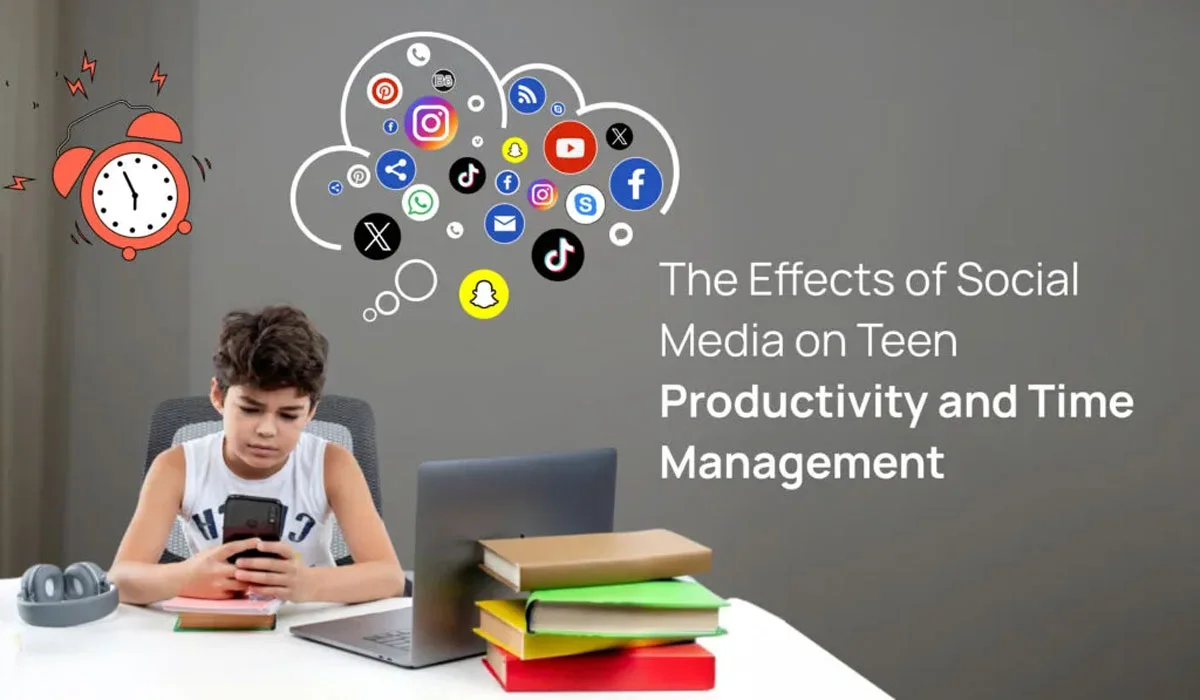
Uncontrolled social media use often impacts students’ ability to manage their academic time. Many students spend hours scrolling through entertainment content, reducing the time they should be using for studying. This habit can lead to delayed schoolwork and reduce the quality of academic work. Time management is a crucial factor in maintaining a balance between digital activities and educational responsibilities.
For example, creating a daily schedule that limits the use of entertainment apps after schoolwork is completed. Simple methods such as study time management techniques can also help increase productivity. With proper planning, students can still utilize technology without sacrificing academic obligations. This approach encourages discipline and personal responsibility, ultimately contributing to sustainable improvements in school performance.
Send feedback
The Role of Parental & Teacher Supervision
Parents and teachers play a crucial role in guiding positive social media use for students’ academic development. Without clear guidance, students are easily influenced by entertainment content, which reduces study time and reduces focus on education. Supervision involves not only limiting children’s learning but also providing an understanding of responsible technology use.
For example, parents can discuss the benefits and risks of social media so that children understand the purpose of using digital devices. Teachers can also utilize digital platforms to provide supplementary materials or discuss academic topics, encouraging students to use social media for educational purposes.
A collaborative approach between families and schools creates a balanced learning environment. With this support, students can develop healthy digital habits and improve their academic performance through the wise use of technology.
Image Information Source:
First Image from: socialbu.com
Second Image from: www.mobicip.com
About the Author