Education is evolving at a rapid pace, transforming traditional classrooms into dynamic spaces of learning.
With technology, creativity, and student-centered methods at the forefront, modern education is no longer limited to textbooks and lectures.
The following TEACHING will explain innovative approaches in modern education.
Technology-Based Learning
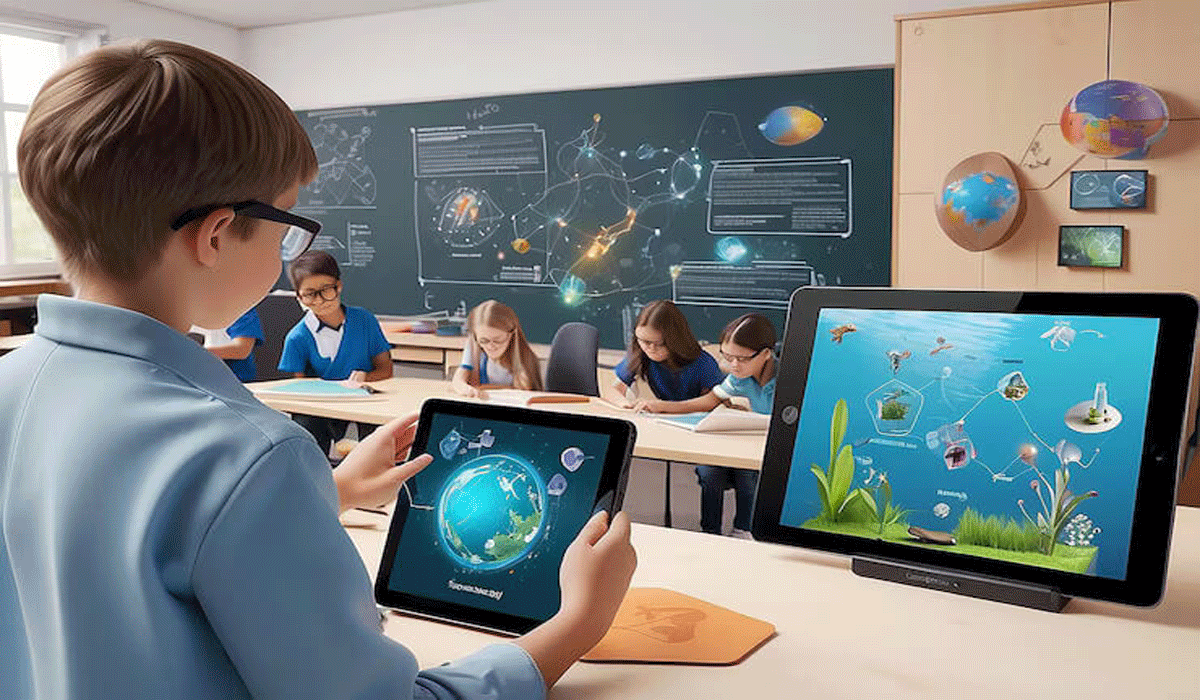
Technology has revolutionized the way students learn. From interactive whiteboards to virtual reality, classrooms are becoming more immersive than ever. Digital tools like educational apps and online platforms allow students to access resources anytime, anywhere, increasing flexibility and engagement.
For example, gamified learning applications transform lessons into interactive challenges, making education fun and motivating students to participate actively. Additionally, AI-powered tutoring systems can provide personalized feedback, helping students understand difficult concepts at their own pace. This fusion of technology and education paves the way for smarter and more adaptive learning environments.
Project-Based Learning
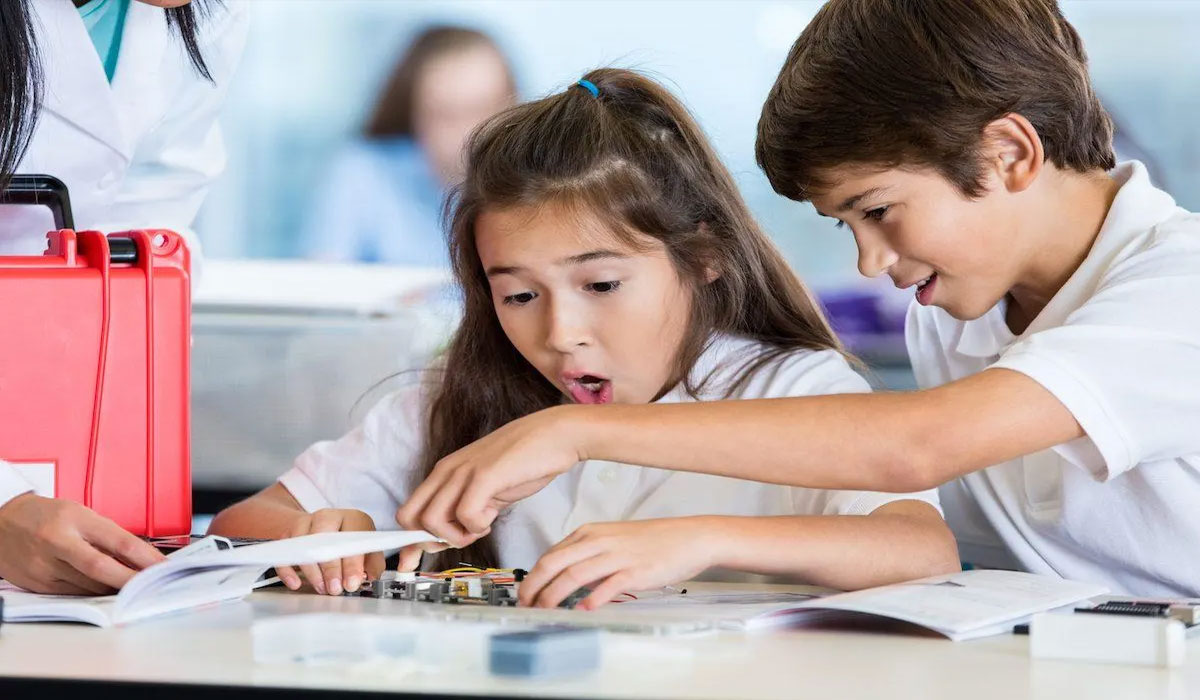
Project-Based Learning (PBL) encourages students to learn by doing. Instead of passively absorbing information, students work on real-world projects that require critical thinking, collaboration, and problem-solving. This approach bridges the gap between theory and practice, making learning more meaningful and applicable.
In modern classrooms, PBL often involves cross-disciplinary projects. For example, a science project might incorporate math, technology, and communication skills, allowing students to see the interconnectedness of knowledge. By taking ownership of their learning journey, students become more confident, creative, and prepared to face future challenges.
Also Read: Boost Fitness with Adventure Sports
Personalized Learning
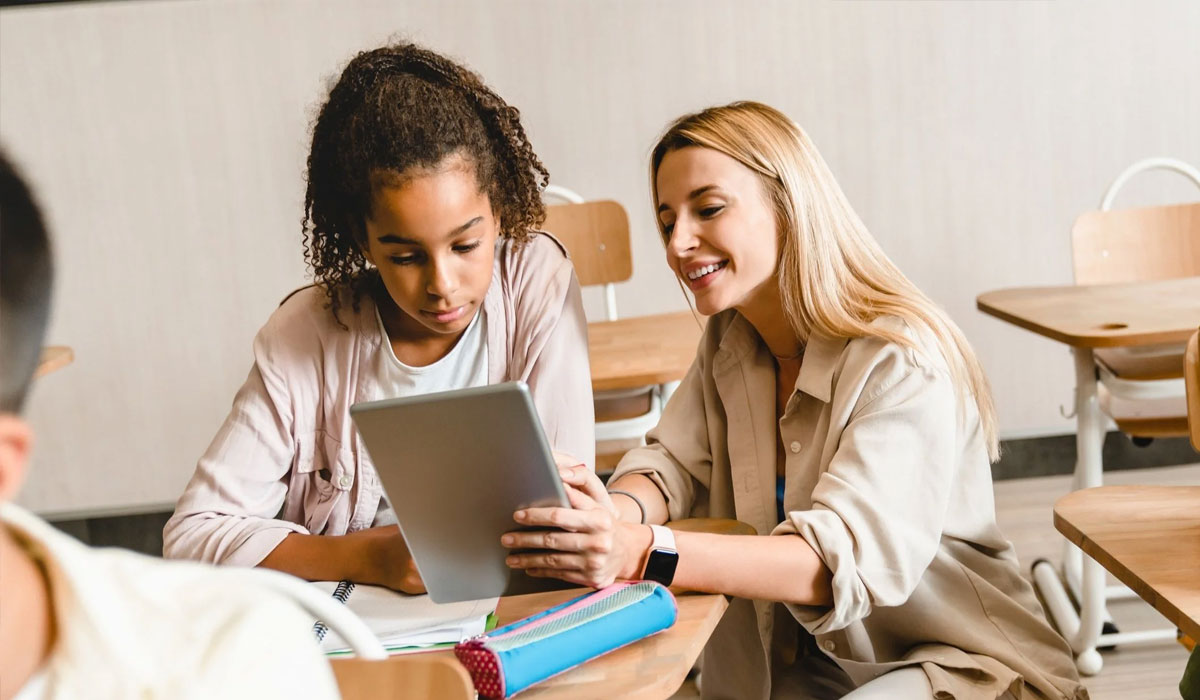
No two students learn the same way, and personalized learning recognizes this diversity. By tailoring education to each student’s strengths, weaknesses, and interests, schools can foster deeper understanding and motivation. Adaptive learning software, personalized lesson plans, and one-on-one tutoring are key elements of this approach.
Personalized learning also empowers students to set their own goals and track their progress. This self-directed approach fosters accountability and independence, helping learners develop essential skills for lifelong success. Meanwhile, teachers can use data-driven insights to personalize instruction and support students more effectively.
Collaborative and Experiential Learning
Collaboration and hands-on experience are extremely important in modern education. Group activities, peer teaching, and workshops allow students to learn from each other and develop communication, leadership, and teamwork skills. Experiential learning, such as internships, field trips, and simulations, brings lessons to life and connects classroom knowledge to the real world.
For example, a history class might include virtual museum tours or historical event reenactments, making the subject more real and engaging. Collaborative projects and experiential learning not only enhance understanding but also build essential life skills, preparing students for success beyond the classroom.
Conclusion
Modern education is no longer limited to traditional methods. By embracing technology, project-based learning, personalized instruction, and collaborative experiences, schools are creating a more dynamic, engaging, and effective learning environment. This innovative strategy empowers students, fosters creativity, and equips them with the skills needed to thrive in a rapidly changing world. Education today is not just about preparing students to succeed academically, but also to become adaptive and lifelong learners, ready to face tomorrow’s challenges.
Check out the latest and other interesting information only at Innovative Approaches to Modern Education Teaching.
Image Information Source:
First Image: forbes.com
Second Image: modernclassrooms.
About the Author