Human Development
Education empowers human development by building knowledge, skills, and values that expand opportunity, equity, and lifelong growth worldwide.
Education has long been recognized as one of the most powerful forces shaping human development. Beyond the acquisition of knowledge, education plays a fundamental role in building skills, values, critical thinking, and social awareness that enable individuals to improve their quality of life. In the context of global development, education is not merely a sector but an essential instrument that influences economic growth, social equality, and individual empowerment.
Education and the Development of Human Capital
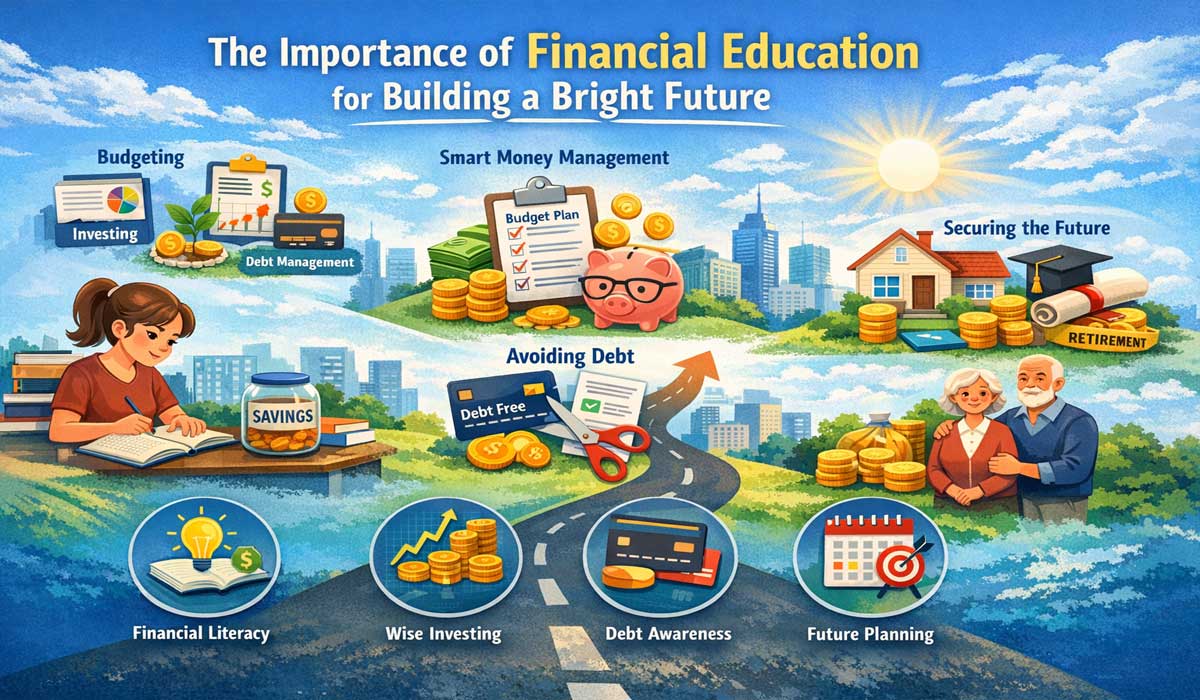
One of the most significant contributions of education to human development is its role in strengthening human capital. Education equips individuals with knowledge, technical skills, and problem-solving abilities that are essential for productive participation in the workforce. As people become more educated, they are better prepared to adapt to changing economic conditions and technological advancements.
Human capital development through education directly affects productivity and innovation. Educated individuals are more likely to generate new ideas, improve existing systems, and increase efficiency across various sectors. This process not only enhances individual earning potential but also contributes to national economic growth. As a result, education becomes a strategic investment that yields long-term benefits for both individuals and society.
Education as a Tool for Social Equality
Education plays a critical role in reducing social inequality and promoting equal opportunities. Access to quality education allows individuals from diverse backgrounds to overcome structural barriers related to poverty, gender, and social class. When education is inclusive and equitable, it becomes a powerful mechanism for social mobility, enabling individuals to improve their living conditions and break cycles of disadvantage.
Moreover, education fosters awareness of rights, responsibilities, and social justice. Individuals who are educated are more likely to participate actively in civic life, advocate for equality, and support democratic values. In this sense, education not only addresses economic disparities but also strengthens social cohesion by promoting mutual understanding and respect within diverse communities.
Also Read: Innovation in Education: Redefining Teaching for a Hybrid Future
Education and Personal Empowerment
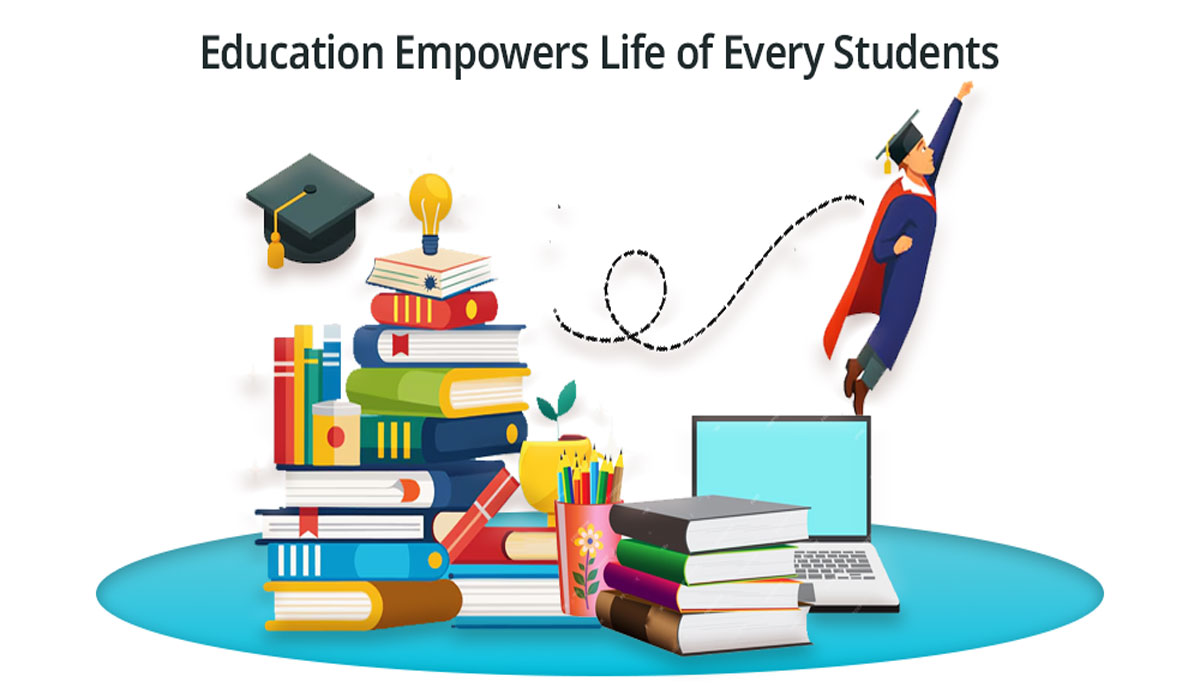
Beyond economic and social dimensions, education is central to personal empowerment. Through learning, individuals develop critical thinking, self-confidence, and the ability to make informed decisions. Education encourages people to question assumptions, analyze information, and approach challenges with creativity and resilience. These qualities are essential for navigating complex personal and professional environments.
Personal empowerment through education also enhances individual autonomy. Educated individuals are better equipped to manage their health, finances, and career paths. They are more likely to pursue lifelong learning and adapt to changes throughout their lives. In this way, education supports not only immediate development outcomes but also long-term personal growth and fulfillment.
Education and Health Outcomes
Education has a strong and well-documented connection to improved health outcomes. Individuals with higher levels of education tend to have better health awareness, access to healthcare services, and healthier lifestyles. Education promotes understanding of nutrition, disease prevention, and mental well-being, which contributes to longer life expectancy and improved quality of life.
At the societal level, educated populations are better prepared to respond to public health challenges. Education supports the dissemination of accurate information and encourages responsible behavior during health crises. As a result, education becomes an essential component of sustainable human development, influencing not only economic performance but also overall societal well-being.
Education in Sustainable Human Development
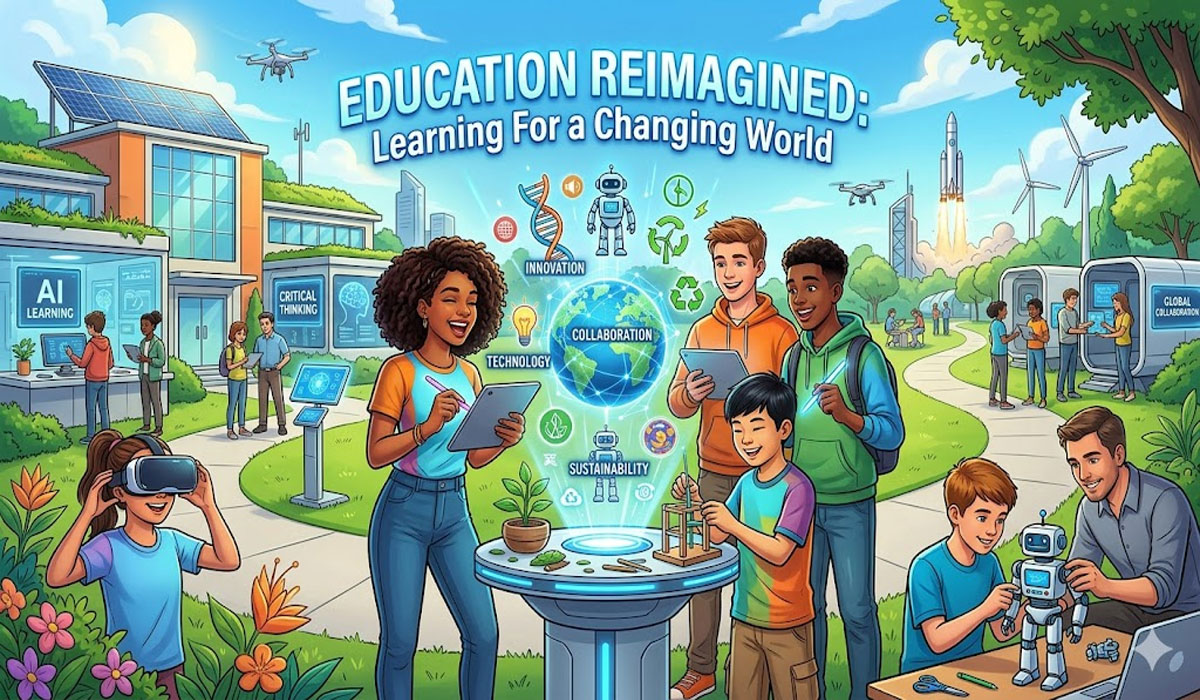
In the context of sustainable development, education serves as a foundation for addressing global challenges such as climate change, inequality, and technological disruption. Education fosters environmental awareness and ethical responsibility, encouraging individuals to adopt sustainable practices and support long-term solutions. Through education, people gain the knowledge and values needed to balance economic progress with environmental protection and social responsibility.
Furthermore, education prepares future generations to lead and innovate in an increasingly interconnected world. By emphasizing critical thinking, collaboration, and global citizenship, education helps build societies that are resilient, adaptable, and forward-looking. This makes education a central pillar of sustainable human development in the modern era.
Conclusion
Education is far more than a means of acquiring knowledge it is a fundamental instrument of human development. Through the development of human capital, the promotion of social equality, personal empowerment, improved health outcomes, and support for sustainability, education shapes the foundations of individual and societal progress. Investing in education is ultimately an investment in people, enabling them to lead meaningful lives and contribute positively to their communities.
About the Author