Educational Innovation to Improve the Quality of Learning
Educational innovation has become a crucial foundation for transforming learning systems to meet the demands of a rapidly changing world.
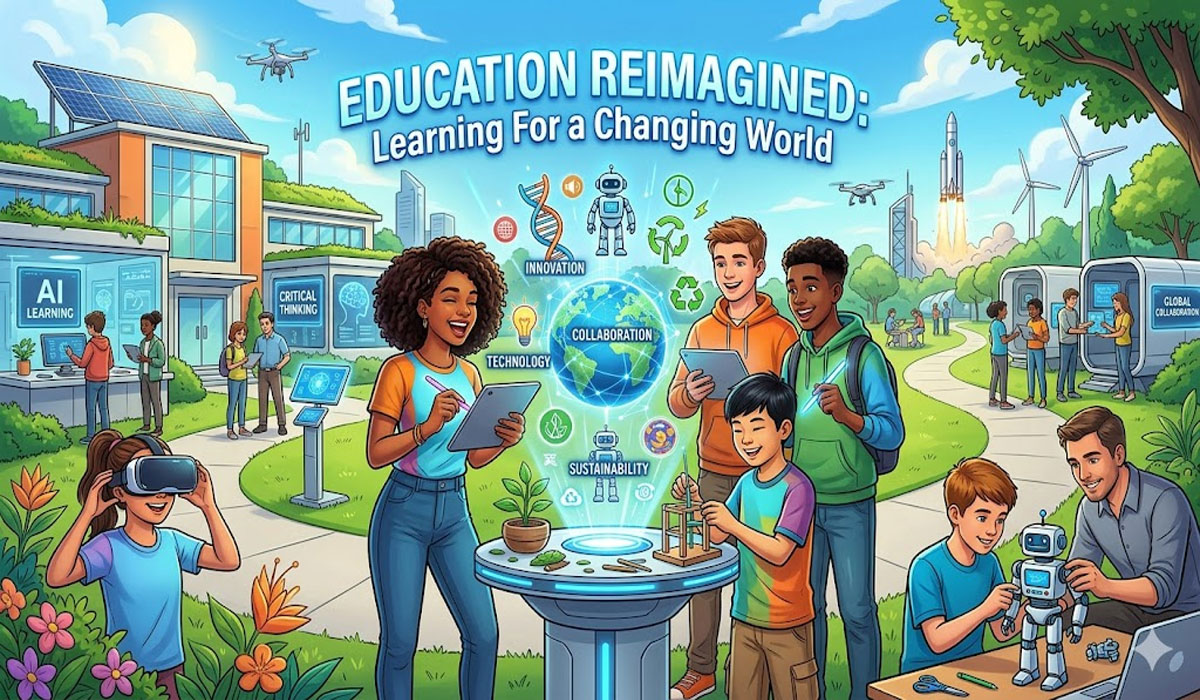
Innovation in education provides a crucial bridge between traditional learning methods and the needs of modern learning. As technology advances and student characteristics change, innovative learning approaches are needed to improve the quality of the learning process. Through the appropriate application of educational innovation, learning can be more effective, relevant, and able to meet future challenges.
The Meaning and Importance of Educational Innovation
Educational innovation refers to the introduction of new ideas, methods, and approaches that improve the learning process. It goes beyond the use of technology and includes changes in teaching strategies, curriculum design, assessment methods, and learning environments. Innovation in education aims to make learning more effective, engaging, and meaningful for students.
The importance of educational innovation lies in its ability to respond to diverse learning needs. Every learner has a unique style, pace, and background, and traditional methods may not always accommodate these differences. Innovative approaches allow educators to personalize learning experiences, ensuring that students remain motivated and actively involved in the process.
Moreover, educational innovation supports the development of critical thinking and problem-solving skills. Instead of focusing solely on memorization, innovative learning encourages exploration, collaboration, and creativity. These skills are essential for learners to succeed in modern societies where adaptability and lifelong learning are increasingly important.
The Role of Technology in Enhancing Learning Quality
Technology plays a significant role in driving educational innovation. Digital tools such as online platforms, interactive media, and virtual classrooms have transformed how knowledge is delivered and accessed. Learners can now study beyond physical classrooms and access a wide range of learning resources anytime and anywhere.
The integration of technology also improves learning quality by making lessons more interactive. Multimedia content, simulations, and digital collaboration tools help students understand complex concepts more easily. When learners are actively engaged, their comprehension and retention of information increase significantly.
However, technology alone is not enough to guarantee quality learning. Its effectiveness depends on how well it is integrated into teaching practices. Educators must use technology thoughtfully to support learning objectives rather than treating it as a replacement for meaningful instruction. When combined with strong pedagogical strategies, technology becomes a powerful tool for educational improvement.
Read Also: Adventure Sports and Health: Thrills That Boost Body and Mind
Innovative Teaching Approaches for Better Learning Outcomes
Innovative teaching approaches shift the focus from teacher-centered instruction to learner-centered experiences. Methods such as project-based learning, inquiry-based learning, and collaborative learning encourage students to take an active role in their education. These approaches help learners connect theory with real-world applications.
By engaging in hands-on projects and group activities, students develop communication and teamwork skills. They learn how to analyze problems, propose solutions, and reflect on their learning process. Such experiences foster deeper understanding and prepare learners for challenges beyond the classroom.
Innovative teaching also emphasizes continuous assessment rather than relying solely on final exams. Formative assessments, feedback sessions, and reflective activities help educators monitor progress and support improvement. This approach creates a learning environment where mistakes are viewed as opportunities for growth rather than failures.
Challenges and Opportunities in Implementing Educational Innovation
Despite its benefits, implementing educational innovation presents several challenges. Limited resources, resistance to change, and lack of training can hinder innovation efforts. In some contexts, educators may struggle to adopt new methods due to time constraints or insufficient institutional support.
However, these challenges also present opportunities for growth and collaboration. Professional development programs can equip educators with the skills needed to implement innovative practices effectively. Collaboration between schools, communities, and policymakers can also strengthen support systems for educational change.
When challenges are addressed strategically, educational innovation can flourish. A culture that encourages experimentation and continuous improvement allows institutions to adapt and evolve. This mindset ensures that education remains relevant and responsive to future demands.
Conclusion
Educational innovation is a key driver in improving the quality of learning. By embracing new approaches, integrating technology effectively, and focusing on learner-centered practices, education systems can better prepare students for an ever-changing world.
Although challenges exist, they can be overcome through collaboration, commitment, and thoughtful implementation. Ultimately, educational innovation empowers learners to grow, adapt, and succeed, making it an essential element in shaping the future of education.
image source from
- first photo: https://teachmiddleeastmag.com/
- second photo: https://www.oecd.org/
About the Author