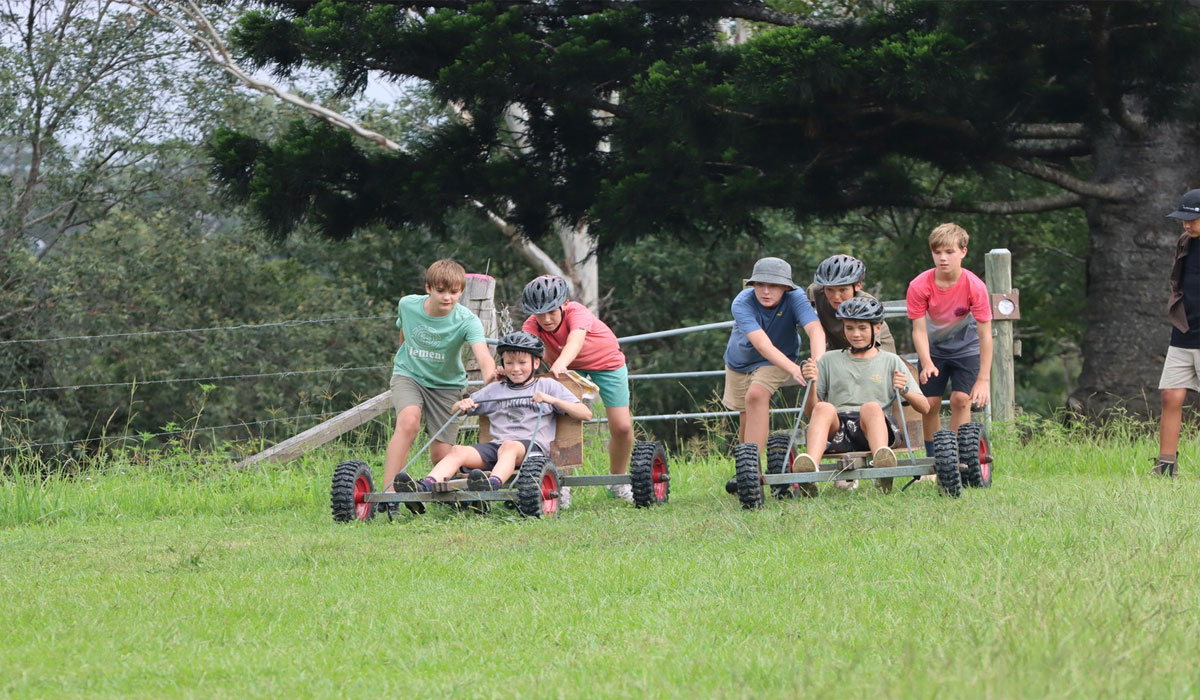
Learning Beyond the Classroom: The Role of Adventure in Education
Education is often associated with classrooms, textbooks, and structured lessons. However, meaningful learning does not only happen within four walls.
Experiences outside the classroom can provide valuable knowledge and life skills that traditional methods sometimes cannot offer. This TEACHING article will discuss the role of adventure in education and how it contributes to a more holistic learning experience.
Expanding Learning Through Real-World Experiences
Adventure-based learning allows students to engage directly with the real world. Activities such as hiking, field trips, and outdoor exploration help learners connect theoretical knowledge with practical situations. For example, studying geography becomes more meaningful when students observe landscapes firsthand.
These real-world experiences also encourage curiosity and critical thinking. Students are more likely to ask questions, explore new ideas, and develop a deeper understanding of the subject matter when they are actively involved in the learning process.
Building Confidence and Independence
Adventure plays a significant role in building confidence among learners. When students participate in activities outside their comfort zones, such as camping or group expeditions, they learn to trust their abilities and make decisions independently.
Facing challenges in unfamiliar environments helps students develop resilience. Overcoming obstacles, whether physical or mental, strengthens their confidence and prepares them to handle real-life situations with greater self-assurance.
Read Also: Healing Thrills: The Health Benefits Of Extreme Sports
Enhancing Social and Teamwork Skills
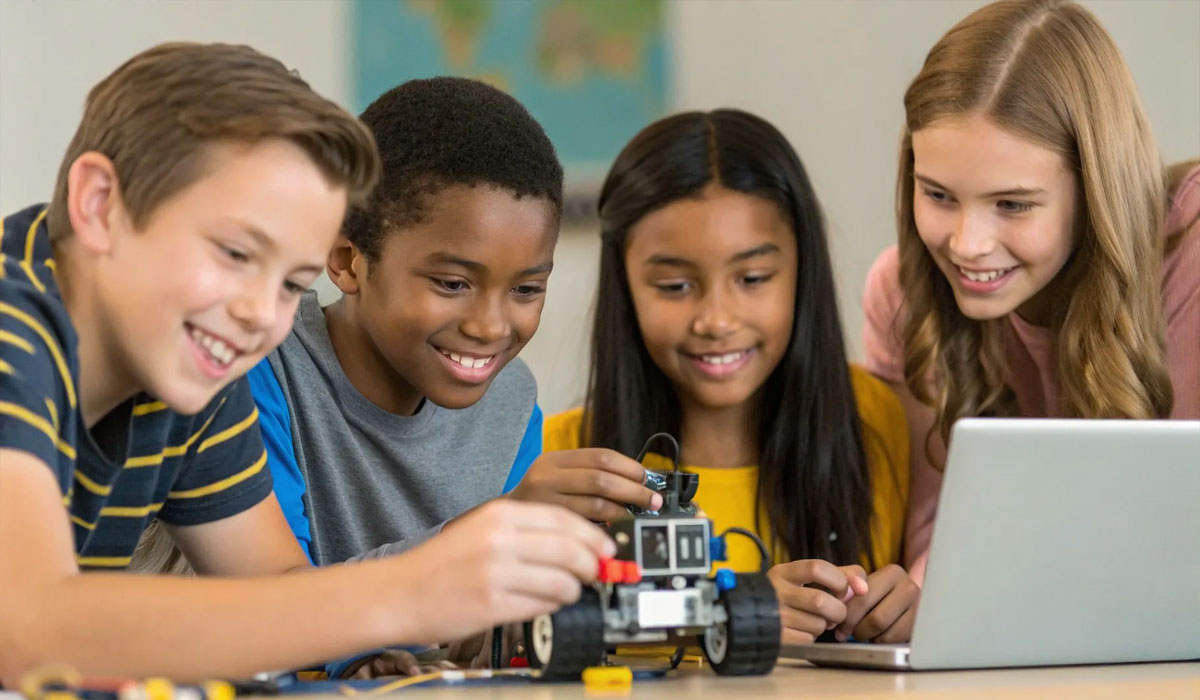
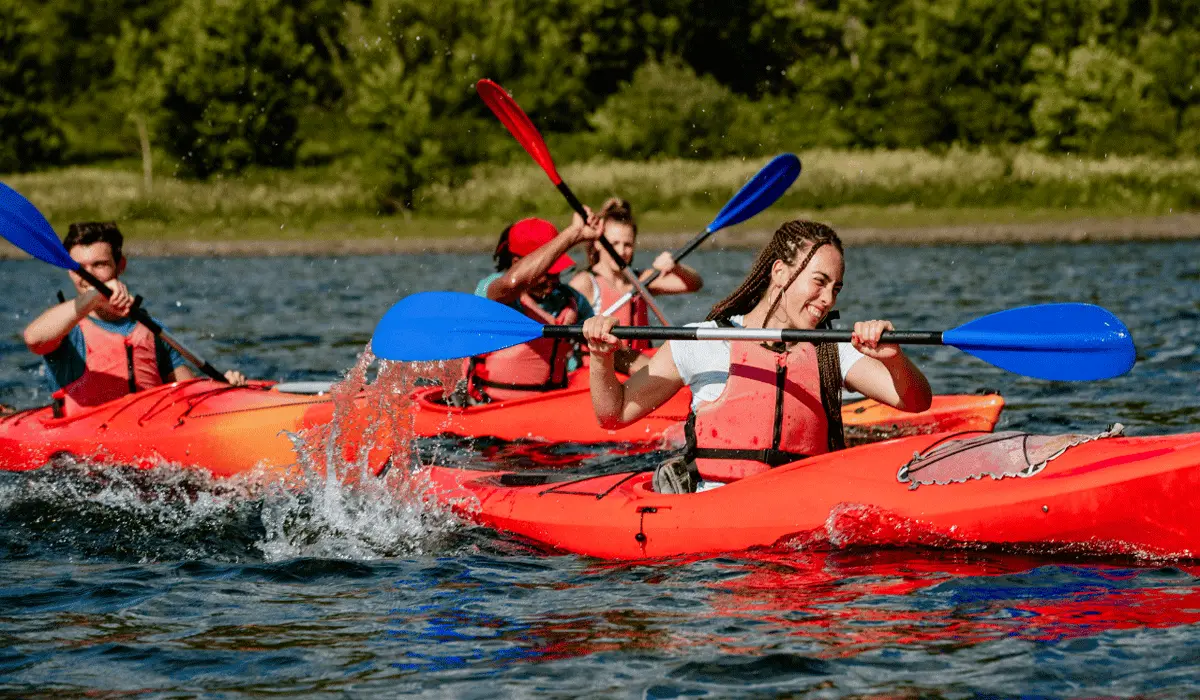
Many adventure-based activities require collaboration and teamwork. Group challenges, outdoor projects, and exploration tasks encourage students to communicate effectively and work together toward a common goal.
Through these experiences, students learn the importance of cooperation, leadership, and mutual respect. These social skills are essential not only in academic settings but also in future careers and personal relationships.
Encouraging Physical and Mental Well-being
Adventure activities often involve physical movement, which contributes to better health and well-being. Outdoor learning environments provide fresh air, natural surroundings, and opportunities for exercise, all of which positively impact students’ physical condition.
In addition to physical benefits, spending time in nature can reduce stress and improve mental health. Students who engage in outdoor activities often feel more relaxed, focused, and motivated to learn.
Promoting Creativity and Problem-Solving
Adventure-based education encourages students to think creatively and solve problems in dynamic situations. Whether navigating a trail or completing a group challenge, students must adapt to changing conditions and find solutions on the spot.
This type of learning fosters innovation and flexible thinking. Students learn to approach problems from different perspectives and develop practical solutions, which are valuable skills in both academic and real-world contexts.
Integrating Adventure into Modern Education
Modern education systems are increasingly recognizing the value of experiential learning. Schools and institutions are incorporating outdoor programs, educational trips, and project-based activities into their curricula.
By blending traditional teaching methods with adventure-based experiences, educators can create a more balanced and engaging learning environment. This approach ensures that students not only gain academic knowledge but also develop essential life skills.
Conclusion
Learning beyond the classroom through adventure offers numerous benefits for students. It enhances understanding, builds confidence, improves social skills, and supports overall well-being. By integrating adventure into education, learners can experience a more dynamic and meaningful journey.
Take your time to read information about the latest and most viral information only on TEACHING.
Image Source:
First Image from www.saac.qld.edu.au
Second Image from www.imthecheftoo.com
About the Author