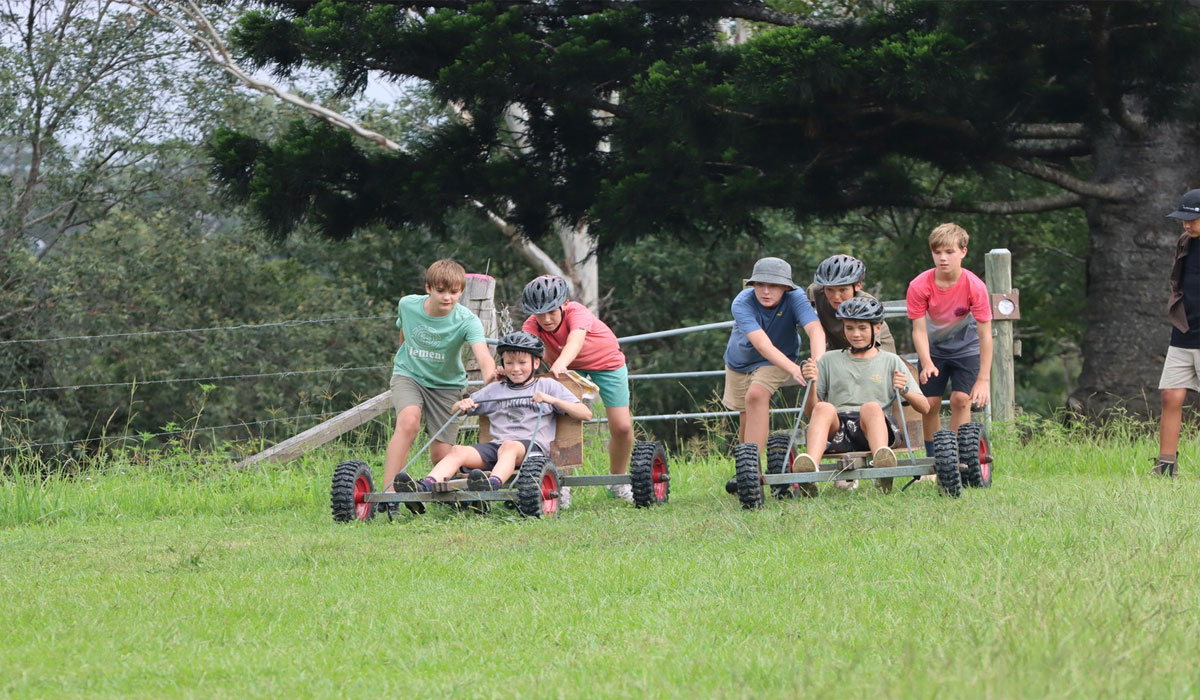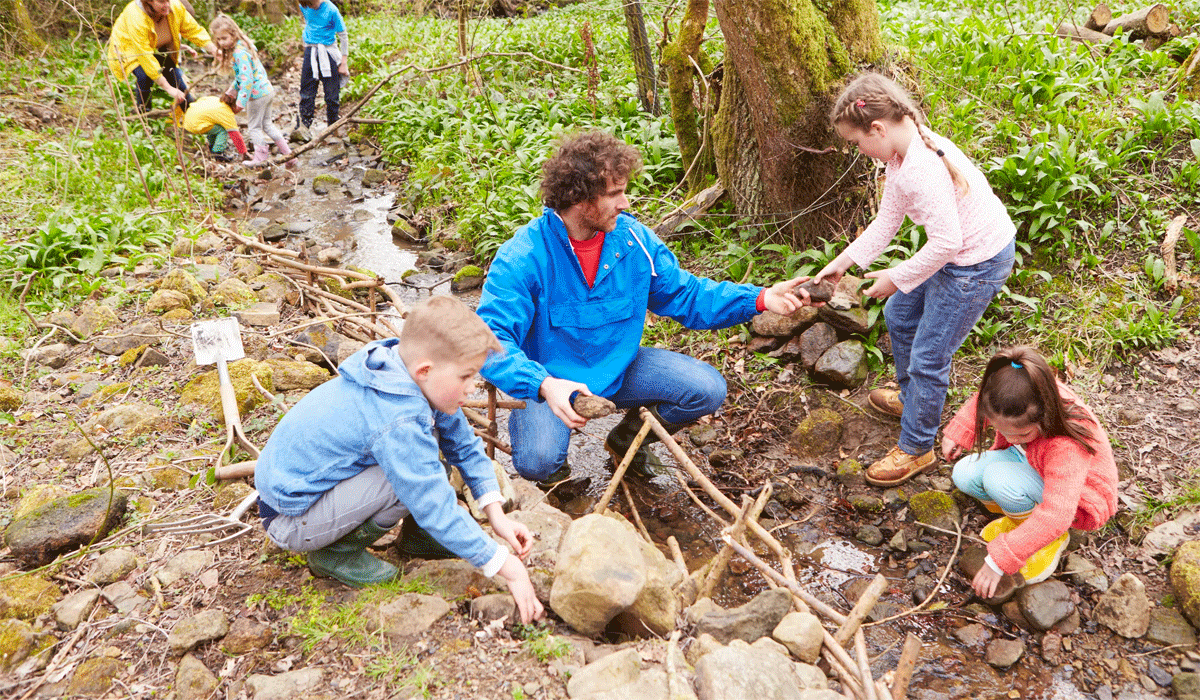
Educators are finding that outdoor experiences and physical activity can be powerful learning tools.
Adventure-based learning combines education, health, physical activity, and research to create an innovative and interactive learning experience. This approach actively engages students, helps develop life skills, and makes learning more memorable and enjoyable. Below, TEACHING will explain how it works, why it’s effective, and how schools can integrate it.
What Is Adventure-Based Teaching?
Adventure-based teaching uses outdoor activities as a medium for learning. Instead of only reading books or listening to lectures, students learn through direct experiences like hiking, kayaking, rock climbing, or team-based outdoor games. This method emphasizes active learning, allowing students to develop social skills, leadership, and problem-solving abilities in real-life situations.
Beyond skill-building, it promotes holistic learning. Challenges in outdoor settings encourage students to manage fear, work as a team, and make critical decisions under pressure. These experiences connect classroom theory with real-world applications, deepening understanding and retention.
Adventure-based teaching also fosters creativity. Facing new challenges and navigating unfamiliar environments encourages students to think outside the box. By turning learning into an active experience, students remain engaged, motivated, and curious.
Benefits of Learning Through Adventure
One major advantage is increased motivation. Students engaged in exciting and challenging activities show greater focus and enthusiasm for learning. They also develop important interpersonal skills like communication, teamwork, and leadership. Activities like rafting or trekking require coordination, teaching students the value of collaboration and responsibility.
Physical health is another benefit. Integrating movement into lessons boosts fitness, stamina, and reduces stress. Research shows that students participating in adventure activities demonstrate higher energy levels and improved concentration, making the learning process more effective.
Adventure-based learning also enhances emotional well-being. Facing challenges outdoors builds confidence and resilience, preparing students to handle difficulties in school and life. This combination of education, exercise, and social interaction produces well-rounded learners.
Read Also: From Mountains to Sea: The Health Benefits of Extreme Adventure
Integrating Adventure Into the Curriculum

Schools can gradually introduce adventure-based learning into their programs. Simple outdoor activities, such as nature exploration, field observations, or educational games, are effective starting points. Later, schools can include more complex projects, such as collaborative expeditions or outdoor research initiatives.
Teachers play a key role in aligning activities with learning objectives. Each challenge should develop specific skills scientific reasoning, problem-solving, or environmental awareness. Assessment goes beyond grades, including social, emotional, and physical growth.
This approach makes curricula dynamic and relevant. Students gain practical experiences that complement classroom instruction, preparing them for real-world challenges while promoting creativity, critical thinking, and adaptability.
Research Supporting Adventure Learning
Studies confirm that adventure-based learning improves academic outcomes. Research in physical education and educational psychology shows that students engaged in outdoor activities have better focus and memory retention compared to conventional methods. Physical challenges stimulate active and creative thinking, enhancing cognitive performance.
Adventure learning also promotes mental health and motivation. Participants often exhibit higher self-confidence, resilience, and stress management skills. These findings highlight that integrating adventure with education supports academic growth, personal development, and emotional well-being.
Moreover, research indicates that experiential learning strengthens social skills. Working in teams during outdoor challenges teaches empathy, communication, and conflict resolution, making students better equipped for collaborative environments.
Challenges and Implementation Strategies
Despite its benefits, adventure-based teaching faces challenges. Safety concerns, limited access to outdoor facilities, and teacher readiness are key considerations. Not all schools have resources for extreme activities, requiring careful planning and adaptation.
Effective implementation includes teacher training, partnerships with external organizations, and safe, structured activity design. Indoor simulations of outdoor challenges can also serve as alternatives, ensuring all students can participate.
With proper planning, adventure-based learning can be sustained and impactful. It provides unique educational experiences that combine fun, skill-building, and personal growth, creating learners who are confident, active, and ready to tackle life’s challenges.
Thank you for taking the time to explore the exciting world of Learning Beyond the Classroom: Adventure-Based Teaching. Stay tuned for our information and practical ideas on implementing innovative adventure-based learning at TEACHING.
Image Information Source:
First Image from: www.edutopia.org
Second Image from: campcody.com
About the Author