Maximum Health Through Adventure Sports
Adventure sports have gained popularity in recent years not only for thrill-seekers but also for individuals aiming to improve overall health.
From rock climbing to white-water rafting, these activities engage multiple aspects of physical fitness, mental resilience, and social interaction.
Experts emphasize that participation in adventure sports offers benefits that extend beyond conventional exercise routines, creating a holistic approach to maintaining maximum health.
Activities such as rock climbing, white-water rafting, mountain biking, and paragliding offer more than just excitement. They provide comprehensive physical exercise that engages multiple muscle groups, enhances cardiovascular endurance, and improves flexibility.
The combination of physical exertion and mental focus required in adventure sports contributes to overall health and well-being.
Physical Benefits Of Adventure Sports
Participation in adventure sports significantly improves physical health. High-intensity activities like rock climbing or mountain biking challenge multiple muscle groups simultaneously, enhancing strength and endurance.
Engaging in adventure sports leads to significant improvements in strength, stamina, and coordination. Rock climbing strengthens the upper body, core, and grip, while mountain biking targets the lower body muscles.
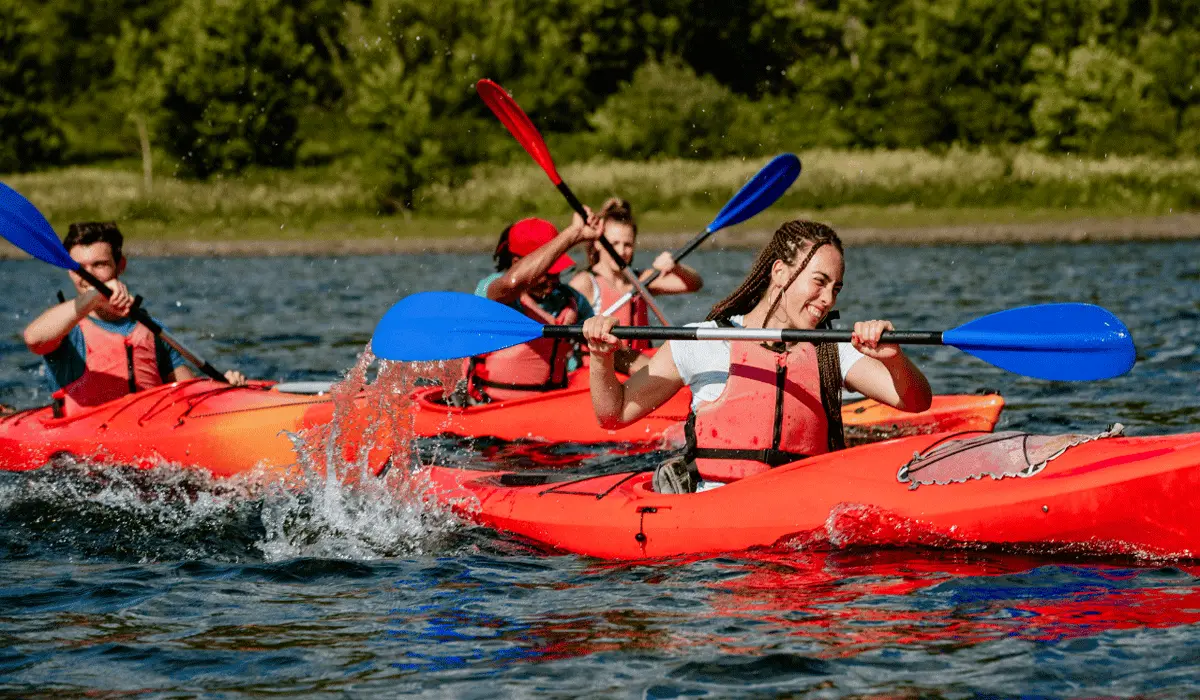
Cardiovascular health is enhanced through continuous movement, especially in activities like kayaking or trail running. In addition, balance and flexibility improve due to the dynamic movements required in navigating challenging terrains.
These physical benefits collectively support a healthier lifestyle and reduce the risk of chronic diseases such as obesity, hypertension, and cardiovascular disorders.
Mental Health Advantages
Adventure sports also play a crucial role in mental well-being. Participating in these activities helps reduce stress levels by promoting the release of endorphins, the body’s natural mood elevators.
Facing challenges in controlled outdoor environments fosters resilience, problem-solving skills, and confidence. Activities like rock climbing or white-water rafting require focus and presence in the moment, which acts as a form of mindfulness.
This mental engagement can help reduce anxiety, combat depression, and improve overall cognitive function.
Read Also: The Impact of Adventure Sports on Physical and Mental Health
Safety And Preparedness
While adventure sports provide numerous health benefits, safety and preparedness remain critical. Participants must use appropriate gear, follow training protocols, and understand the risks involved.
Knowledge of first aid, environmental conditions, and proper technique reduces the likelihood of injuries. Proper planning, such as starting with beginner-level activities and gradually progressing to more challenging adventures, ensures sustainable engagement.
When performed responsibly, adventure sports provide an exciting path to physical fitness, mental resilience, and overall health without compromising safety.
Integrating Adventure Sports Into A Healthy Lifestyle
For those seeking maximum health benefits, integrating adventure sports into a regular routine can complement conventional fitness programs.
Activities can be scheduled weekly or seasonally, depending on accessibility and skill levels. Combining adventure sports with balanced nutrition, sufficient rest, and mindfulness practices ensures comprehensive health improvement.
Experts advise starting with moderate challenges and gradually advancing to more extreme activities as confidence, fitness, and skills improve.
By embracing adventure sports, individuals can achieve a unique combination of physical fitness, mental resilience, social engagement, and overall well-being, making it a holistic approach to maintaining maximum health.
For the latest and most interesting related information, you can also click the TEACHING link.
About the Author