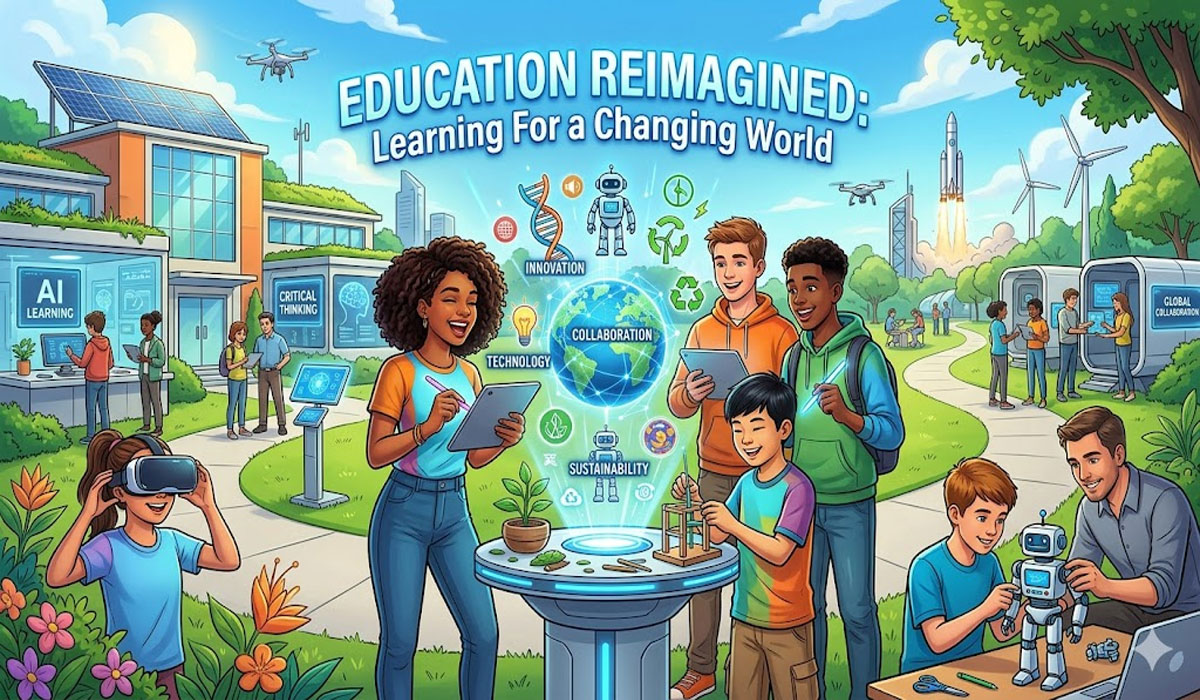
Preparing students to face a dynamic world through creative learning, enhancing critical thinking skills, innovation, and readiness to face future challenges.
In a world rapidly changing due to AI, automation, and globalization, education is no longer simply about rote learning. Creative learning is key to preparing students to face dynamic challenges, building adaptive skills like critical thinking and innovation. Let’s see how The following TEACHING this approach is revolutionizing today’s classroom!
Understanding Creative Learning
Creative learning is a teaching method that encourages students to create, experiment, and solve real-world problems, rather than simply passively receiving information. Based on Howard Gardner’s theory of multiple intelligences, this approach integrates art, technology, and collaboration for meaningful learning outcomes.
In class, teachers facilitate projects such as designing a waste-free environmental prototype, where students combine STEM with visual arts. UNESCO 2023 calls this essential for the 21st century, as 85% of jobs in 2030 will not exist today, requiring adaptive creativity.
As a result, students are not only academically intelligent but also resilient, ready to face a VUCA (volatile, uncertain, complex, and ambiguous) world.
Benefits for a Dynamic World
Creative learning increases knowledge retention by up to 75% through hands-on experiences, according to a Harvard Graduate School of Education study. Students develop a growth mindset, learn from failure like Thomas Edison, reduce exam stress, and increase intrinsic motivation.
Soft skills such as teamwork and communication are honed through group discussions or idea pitches. Providing immediate preparation for the hybrid workplace. In Indonesia, the Ministry of Education, Culture, Research, and Technology’s 2024 Merdeka Belajar program recorded a 40% increase in creativity in pilot schools.
Graduates are ready to compete globally, such as fresh graduates who created startups through school hackathons.
Also Read: Teaching in the Digital Age: Challenges and Opportunities
Classroom Implementation Strategy
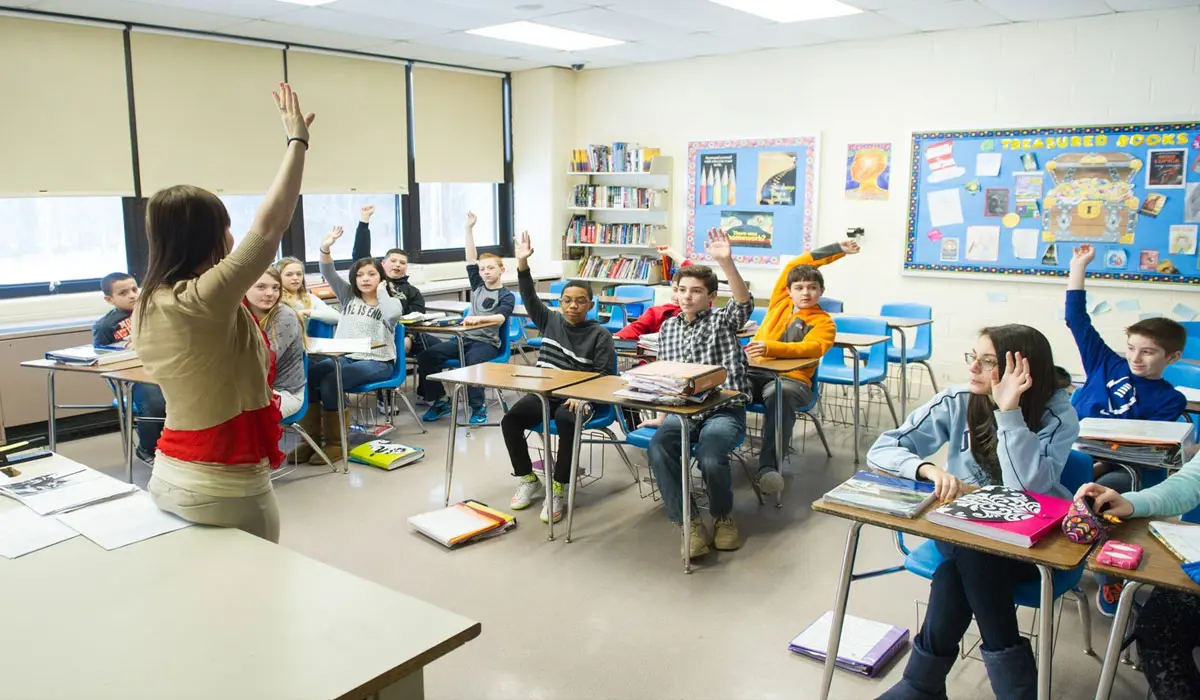
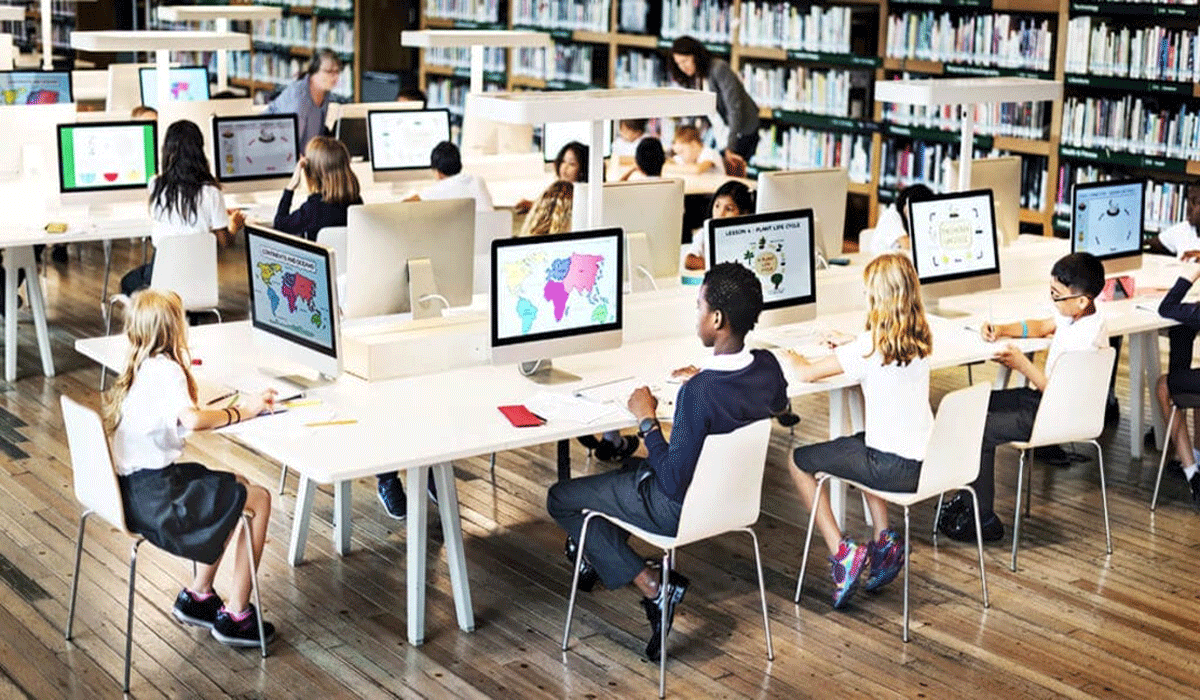
Start with project-based learning (PBL): Determine a relevant theme, such as “City of the Future,” and assign students to teams and two weeks for research and presentations. Use free digital tools like Canva or Tinkercad for virtual prototyping, accessible even in remote areas.
Integrate gamification with badge points for innovation and flipped classrooms, where students learn homework through Khan Academy videos and classes focused on creative discussions. Teachers are trained through free workshops from platforms like Google for Education.
Evaluation is done through a holistic rubric: 40% process, 30% product, 30% reflection, not just multiple-choice tests.
Successful Examples in Indonesian Schools
SMA Negeri 1 Yogyakarta has implemented creative PBL since 2023. Producing a student team that won the national Science Olympiad with a prototype village medicine delivery drone. Teachers integrated a matcha latte workshop into entrepreneurship lessons. And students sold the results to raise Rp 5 million for class funds.
At SD Labschool Jakarta, the “Smart Creativity” program, using LEGO robotics and mural art. Increased PISA-like test scores by 25% in one year. Parents are involved through parent-teacher project nights, experiencing the benefits of collaboration firsthand.
A 2025 Ministry of Education and Culture study noted that 70 pilot schools for The Independent Curriculum excelled in global competitions like the Google Science Fair. Proving that creative learning is producing world-class talent from within the country.
Listen and continue to follow the interesting information that we provide every day, of course, it is only trusted at TEACHING
Image Source:
First Image from wcceinternational.org
Second Image from responsiveclassroom.org
About the Author