These learning experiences not only spark students’ curiosity but also strengthen their confidence and encourage teamwork.
From building simple creative projects to exploring practical challenges around them, project-based learning gives children meaningful opportunities to grow academically and socially. Below, TEACHING we’ll explore how this innovative approach is helping young learners become more active, skilled, and independent thinkers in the classroom.
A New Wave of Learning in Elementary Schools
Elementary schools are beginning to shift from traditional, teacher-centered lessons toward more active and engaging learning methods. One of the biggest changes is the introduction of Project-Based Learning (PBL), which encourages students to explore real-world ideas through hands-on activities. This approach helps young learners understand lessons more deeply. In many schools, teachers now design simple projects such as creating environmental posters or growing plants using hydroponics.
These activities allow students to learn by doing instead of only listening. As a result, children become more enthusiastic and eager to participate in class. Teachers also say PBL helps build critical thinking skills from an early age. Students learn to analyze problems, gather information, and propose solutions either individually or in groups. This process boosts their confidence and strengthens their communication abilities.
Encouraging Creativity and Teamwork
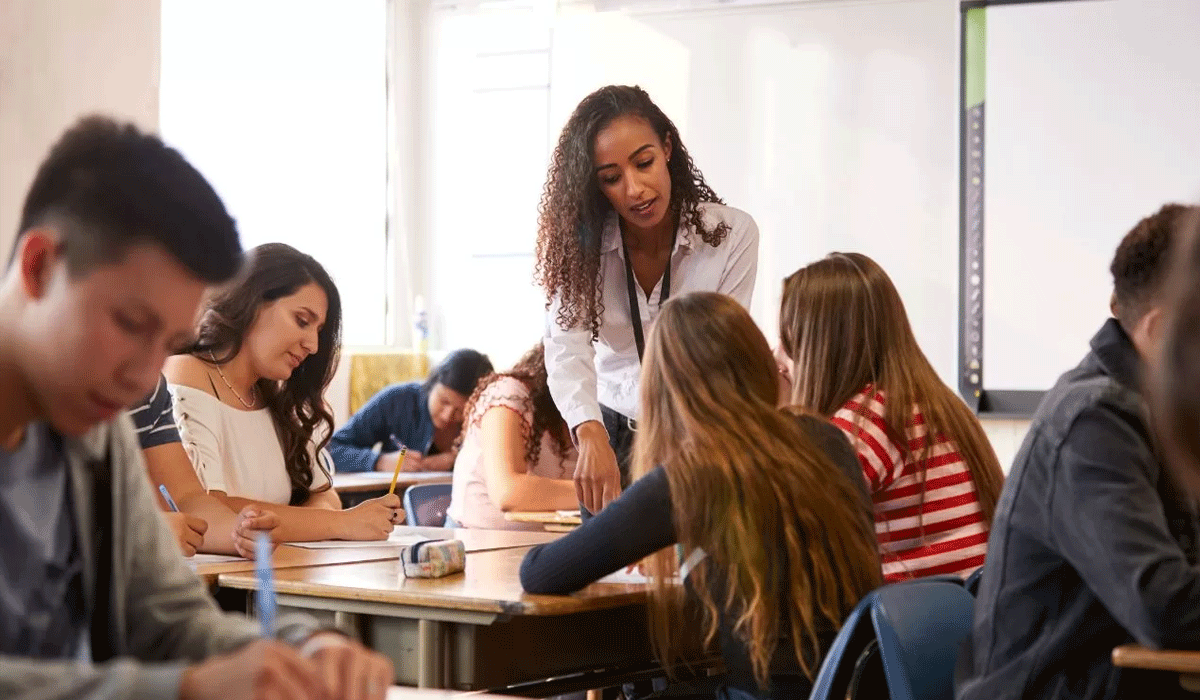
One of the strongest benefits of PBL is that it gives students a natural space to collaborate. In some classrooms, teachers assign projects such as designing an energy-saving campaign. Students work in small groups to plan ideas, create materials, and present their work to the class. Through these group activities, children practice sharing responsibilities and listening to different opinions.
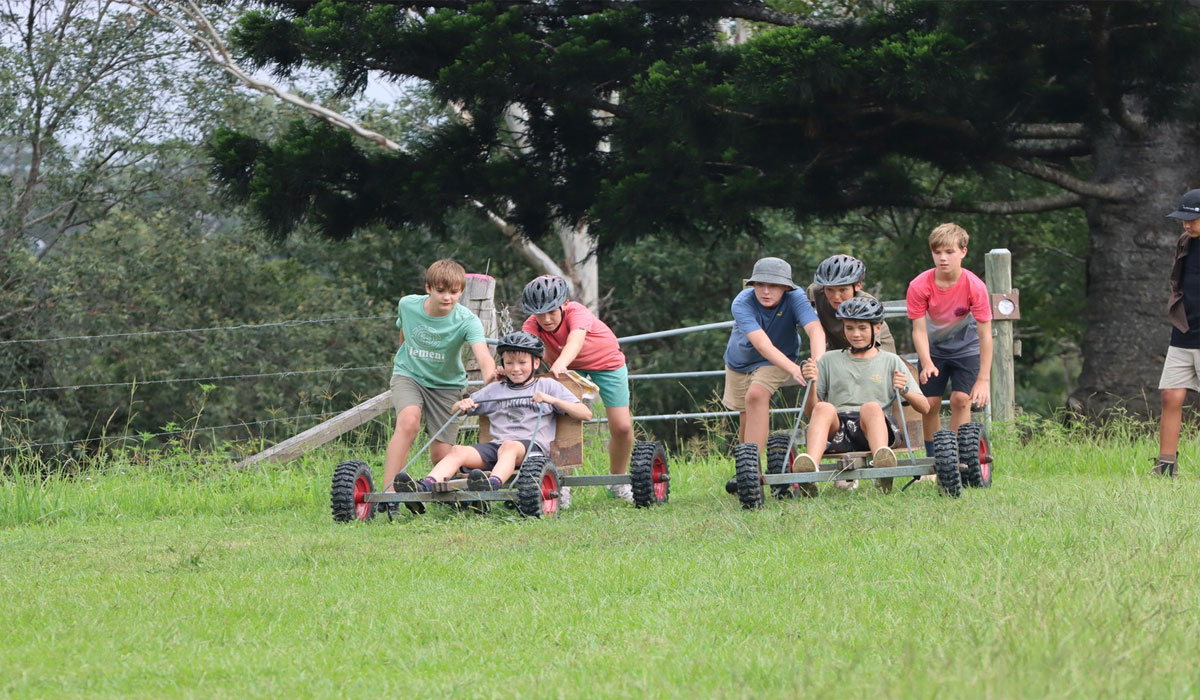
They learn how to express their thoughts clearly while respecting their classmates. These experiences also help teachers observe each student’s strengths and personality. Other creative projects like building simple tools from recycled materials or designing miniature structures help students use their imagination. This makes the learning environment more enjoyable and reduces boredom during lessons.
The Challenges Teachers Face
Even with its success, PBL is not always easy for teachers to implement. Some educators struggle to design projects that match the curriculum while still being fun and meaningful. Planning and preparing project materials often require extra time and effort. Limited school facilities can also become an obstacle.
Not all schools have enough equipment or supplies to support certain projects, especially those involving technology or special tools. Many teachers solve this by encouraging students to use recycled items or by adapting projects to available resources. Parental involvement is another important factor. Some projects need support at home, so teachers must explain learning goals clearly to parents. Without this cooperation, students may have difficulty completing their assignments.
Positive Changes in Student Behavior
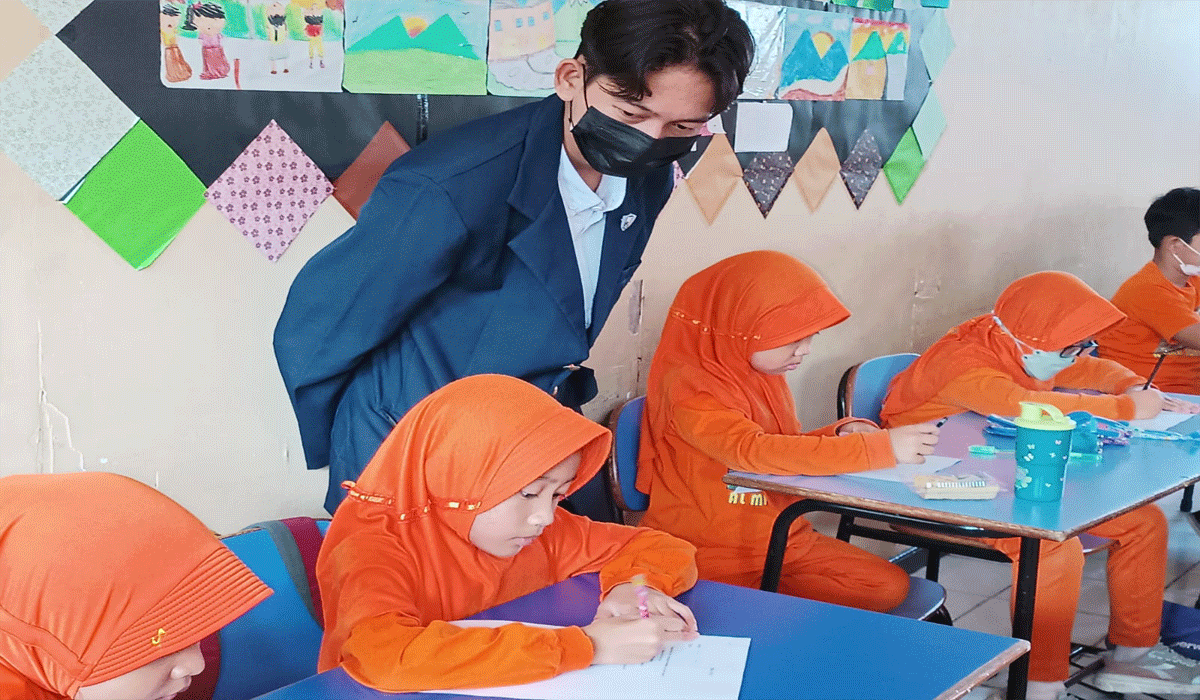
Despite the challenges, the impact of PBL is becoming more visible in many classrooms. Students show higher interest in lessons and are more motivated to participate. Even quiet or passive students begin to take more active roles in group activities. PBL also strengthens problem-solving skills, as students learn to address real issues like waste, energy use, or plant care.
This helps them become more aware of their environment and encourages them to think logically. Group projects further improve social relationships. Students learn to support one another, appreciate differences, and celebrate achievements together. These values play a key role in shaping responsible and empathetic young learners.
A Step Toward Modern Education
Project-Based Learning is becoming an important innovation in elementary education. Its hands-on approach helps children build essential skills they will need in the future, such as creativity, collaboration, and critical thinking.
While schools still face obstacles in implementing PBL, many teachers are committed to improving their methods. With proper support, this learning model can continue to grow and benefit more students. As education continues to evolve, PBL shows great promise in creating a more engaging, meaningful, and modern learning experience for young students. Thanks for taking a moment to learn with us. Continue following TEACHING for more actionable, research-supported teaching techniques.
Image Information Source:
First Image from: incaschool.sch.id
Second Image from: almasoem.sch.id
About the Author