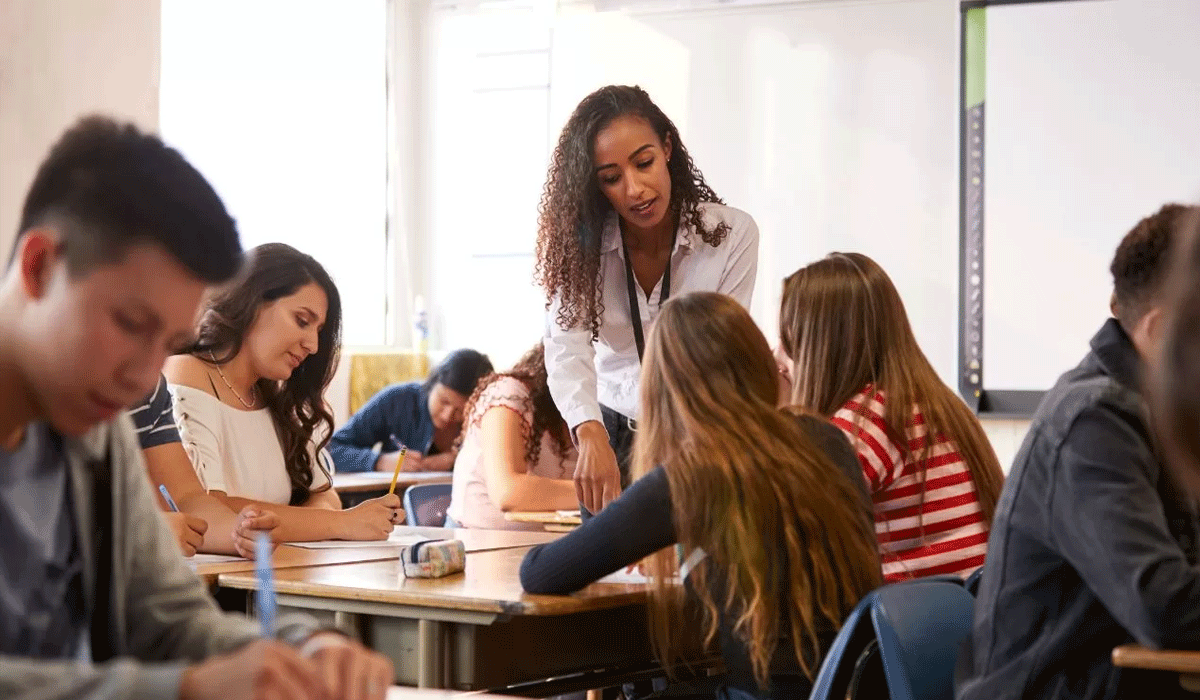
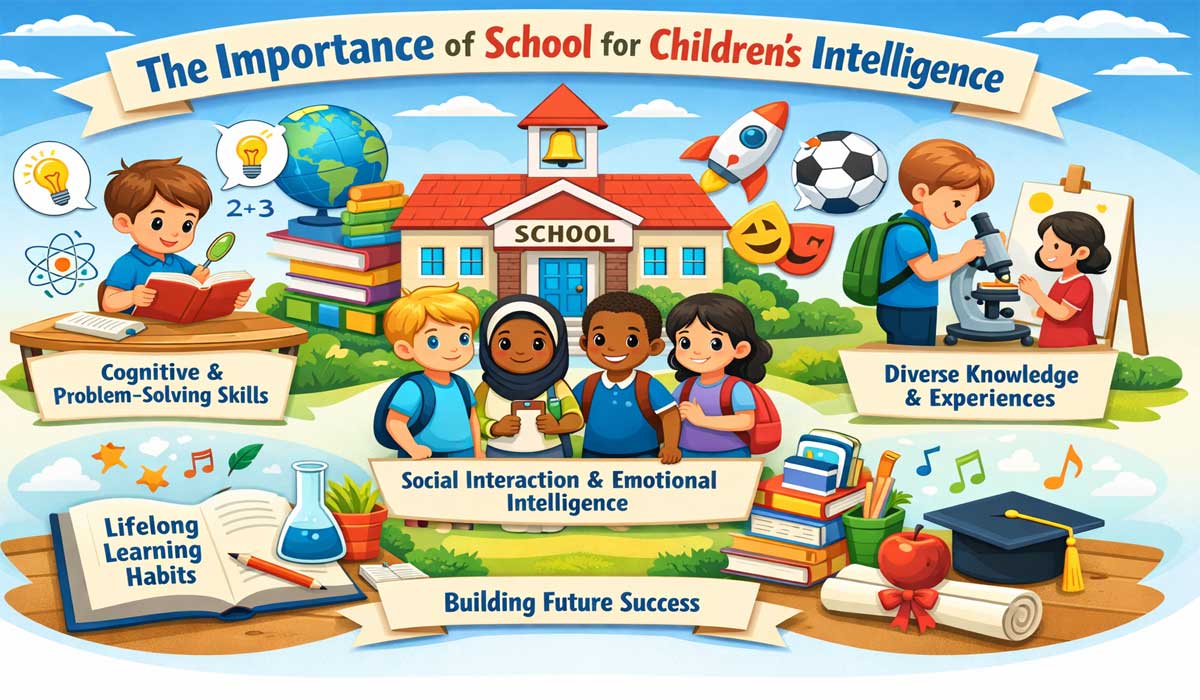
Modern education is changing faster than ever, traditional teaching methods that focus on memorization and lectures are no longer adequate.
Today, students need learning experiences that are engaging, practical, and help them develop critical 21st-century skills. Innovative teaching methods focus on active participation, creativity, collaboration, and problem-solving. This article, TEACHING, discusses five approaches that make learning more effective, meaningful, and enjoyable.
Project-Based Learning (PBL)
Project-Based Learning encourages students to learn through real-world projects. Instead of just listening to lectures, students research, analyze, and solve problems actively. Teachers act as guides, helping students plan and complete their projects, while fostering creativity and critical thinking. PBL strengthens collaboration among students. Working in groups, they share ideas, tackle challenges together, and learn to respect each other’s contributions.
This method helps students develop teamwork and leadership skills naturally. Another key benefit of PBL is its real-life application. For example, students creating a renewable energy project don’t just learn physics, they see how their knowledge affects the environment. This makes learning more meaningful and motivates students to engage deeply.
Technology-Enhanced Learning
Integrating technology in classrooms makes learning interactive and flexible. Tools like educational apps, online platforms, and virtual simulations allow students to explore lessons in ways that suit their style and pace. Teachers can also monitor student progress in real time, providing targeted support. Technology personalizes learning. Adaptive programs adjust difficulty based on each student’s ability, ensuring everyone learns efficiently.
This makes students feel more confident and motivated while allowing teachers to focus on areas that need attention. Beyond efficiency, technology brings creativity into learning. Virtual labs, digital storytelling, and online collaboration allow students to experiment safely and share ideas with peers worldwide. This makes lessons more exciting and relevant.
Read Also: Project Based Learning Innovation in Elementary Schools
Collaborative Learning
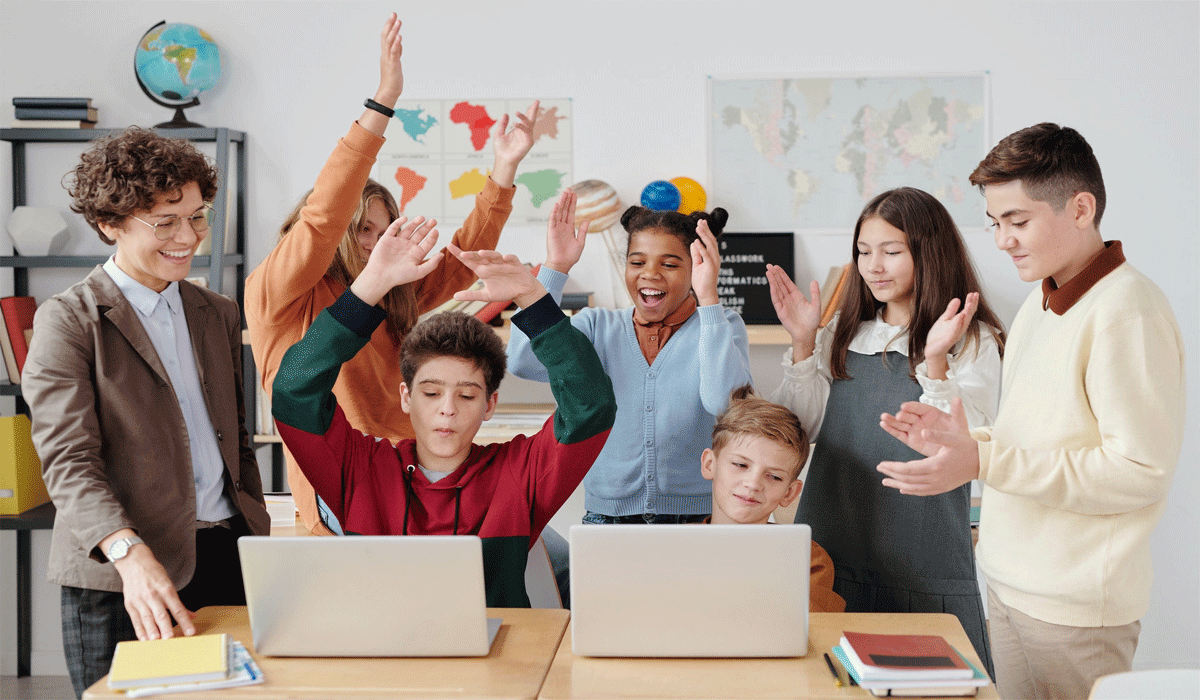
Collaborative learning emphasizes teamwork. Students work together to achieve shared goals, discuss ideas, and complete assignments as a group. This method not only improves understanding of content but also builds social skills like communication, empathy, and leadership. Students take responsibility for specific roles in group tasks, helping them learn accountability.
Each contribution matters, and success depends on everyone working together effectively. Collaboration encourages problem-solving and peer learning. By interacting with classmates, students discover new perspectives, think critically, and develop stronger interpersonal skills that benefit them both inside and outside the classroom.
Gamification in Learning
Gamification uses game elements like points, levels, and challenges in lessons. This makes learning fun, motivating students to participate actively and persist through difficulties. Competitions and interactive simulations turn complex topics into enjoyable activities. Gamified learning also provides instant feedback.
Students can track their progress immediately, identifying strengths and areas to improve. This encourages self-reflection and continuous learning. Beyond motivation, gamification builds engagement and retention. Students stay focused longer, enjoy the process, and are more likely to remember what they learn. It turns education into a dynamic, playful experience.
Flipped Classroom
Flipped classrooms reverse traditional teaching. Students learn new material at home through videos or reading, while class time is used for discussion, practice, and problem-solving. This approach allows students to learn at their own pace. In class, teachers focus on deeper understanding and provide personalized guidance to those who need help.
Students who grasp concepts quickly can explore advanced topics, keeping them challenged and engaged. Flipped classrooms encourage active participation. Students become responsible for their learning, asking questions, sharing ideas, and applying knowledge. This method creates a more interactive, student-centered environment that enhances overall learning outcomes.
Thank you for exploring innovative ways to transform learning with us. Stay tuned for more practical ideas and strategies to make classrooms engaging, collaborative, and effective at TEACHING.
Image Information Source:
First Image from: ocnjdaily.com
Second Image from: www.kaixr.com
About the Author