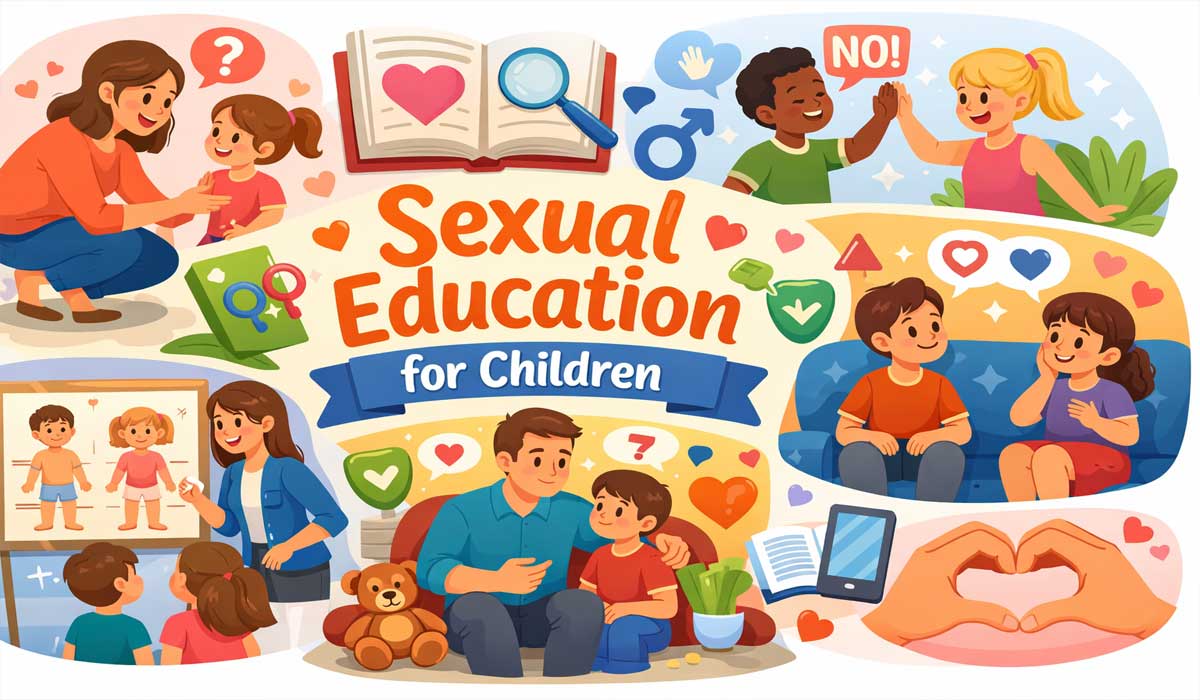
Sexual Education for Children
Sexual education for children is an essential part of their overall development and well-being.
It is not only about explaining biological facts but also about teaching respect, boundaries, and healthy relationships. When delivered appropriately, sexual education helps children grow into confident individuals who understand their bodies and can protect themselves. Parents and educators play a crucial role in guiding children through this learning process in a safe and supportive environment.
Understanding What Sexual Education Means
Sexual education for children goes beyond discussions about reproduction. It includes teaching about body awareness, privacy, emotions, and respect for others. These lessons should be age-appropriate and adapted to the child’s level of understanding.
At an early age, children can learn basic concepts such as naming body parts correctly and understanding which areas are private. This foundational knowledge helps them develop confidence and a sense of personal safety as they grow older.
The Importance of Starting Early
Introducing sexual education early helps normalize conversations about the body and reduces confusion or embarrassment later in life. When children are comfortable asking questions, they are more likely to seek guidance from trusted adults.
Early education also plays a key role in preventing misinformation. Children who receive accurate information are less likely to rely on unreliable sources. This builds a strong foundation for healthy attitudes toward their bodies and relationships.
Teaching Boundaries and Consent
One of the most important aspects of sexual education is teaching children about boundaries. They need to understand that their body belongs to them and that they have the right to say no to unwanted touch.
Consent can be introduced in simple ways, such as asking permission before hugging or sharing. These everyday practices help children understand respect and autonomy, which are essential skills for building healthy relationships in the future.
Read Also: Innovation In Education: Improving The Quality And Access To Learning
Communicating Openly and Honestly
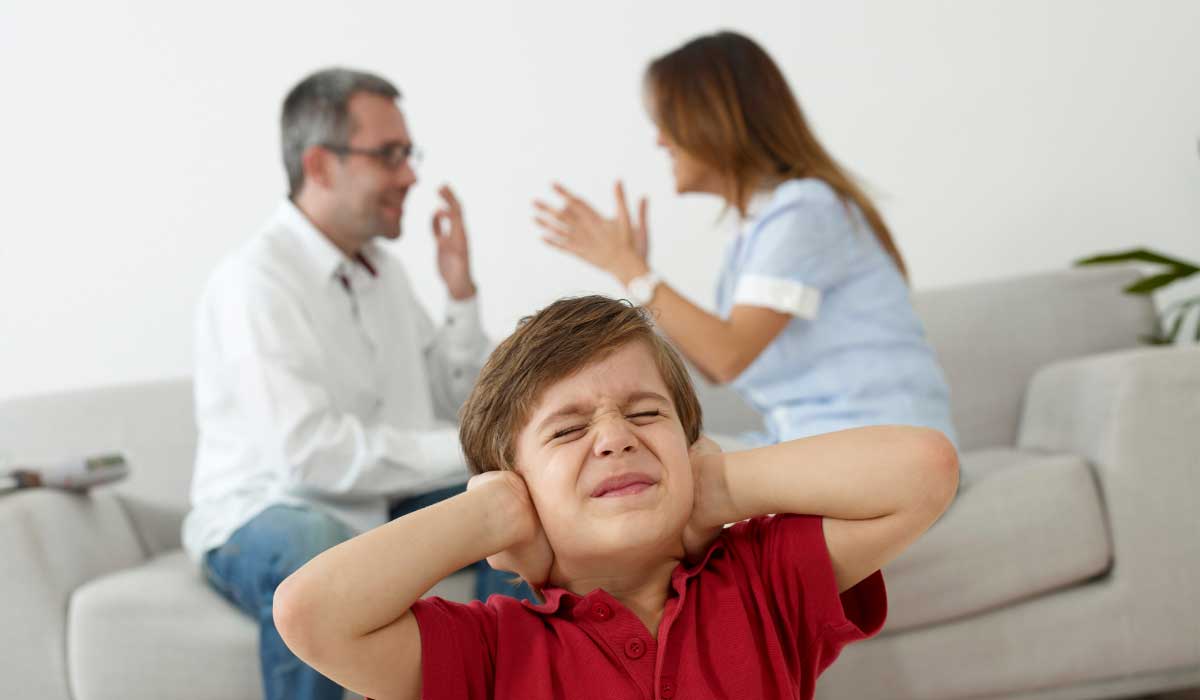
Open communication is key to effective sexual education. Parents and educators should create a safe environment where children feel comfortable asking questions without fear of judgment or punishment.
Using clear and simple language helps children understand complex topics. It is also important to answer questions honestly while keeping explanations appropriate for their age. This approach builds trust and encourages ongoing dialogue as children grow.
Supporting Healthy Emotional Development
Sexual education also supports emotional growth by helping children understand feelings, relationships, and self-respect. Teaching empathy and kindness allows children to form positive connections with others.
As children mature, these lessons can expand to include topics such as friendships, peer pressure, and respect in relationships. A strong emotional foundation helps children make informed decisions and develop confidence in navigating social situations.
Conclusion
In conclusion, sexual education for children is a vital component of their growth and safety. By starting early, teaching boundaries, maintaining open communication, and supporting emotional development, adults can provide children with the knowledge and skills they need. A thoughtful and age-appropriate approach ensures that children grow into informed, respectful, and confident individuals.
Image Source:
First Image from https://diigoco.info/
Second Image from www.linkedin.com
About the Author