Teaching on Article Creation
Writing is more than arranging words on a page; it is the art of shaping ideas into meaningful communication.
Teaching on article creation requires a structured approach that blends creativity with clarity. Whether for academic, professional, or digital purposes, understanding how to craft a strong article empowers learners to express ideas confidently. With the right guidance, anyone can transform thoughts into compelling written content.
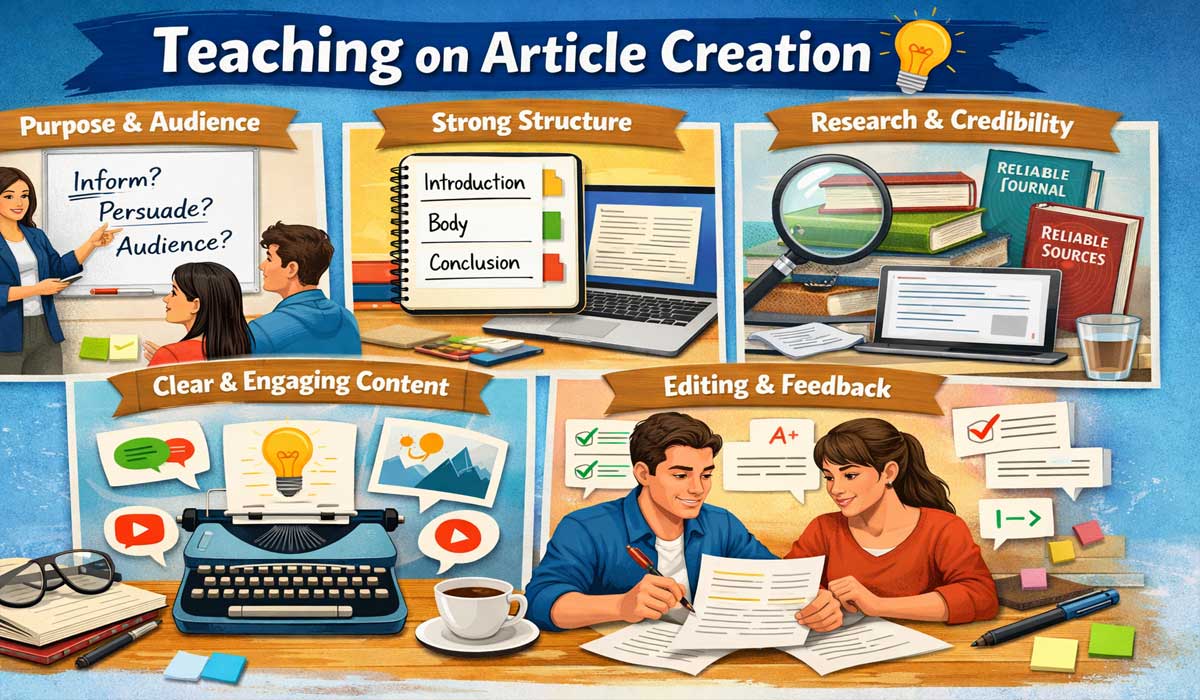
Understanding the Purpose and Audience
The first lesson in article creation is recognizing the purpose behind the writing. Every article aims to inform, persuade, entertain, or inspire. Teachers should guide learners to define their objective before drafting. A clear purpose provides direction and ensures that the article remains focused and relevant from beginning to end.
Equally important is identifying the target audience. Writing for professionals differs from writing for students or general readers. Teaching students to analyze audience expectations helps them choose appropriate tone, vocabulary, and structure. When writers understand who they are addressing, their message becomes clearer and more engaging.
Developing a Strong Structure
A well-structured article enhances readability and comprehension. Teaching structure begins with explaining the three essential components: introduction, body, and conclusion. The introduction captures attention and introduces the main idea. The body develops arguments or information logically, while the conclusion reinforces key points and leaves a lasting impression.
Outlining is a practical method teachers can introduce. Before writing, students should organize their ideas into headings and subpoints. This prevents disorganized content and improves logical flow. A strong structure not only supports clarity but also helps writers maintain consistency throughout the article.
Crafting Clear and Engaging Content
Clarity is a cornerstone of effective article writing. Teachers should emphasize concise sentences and straightforward language. Avoiding unnecessary jargon ensures that readers can easily grasp the message. Encouraging students to revise and simplify complex statements strengthens their communication skills.
Engagement is equally essential. An article should not merely present facts but also maintain reader interest. Techniques such as storytelling, examples, or thought-provoking questions make content more dynamic. By teaching students to balance information with creativity, educators help them produce articles that resonate with readers.
Read Also: Guide to Modern Research Techniques
Strengthening Research and Credibility
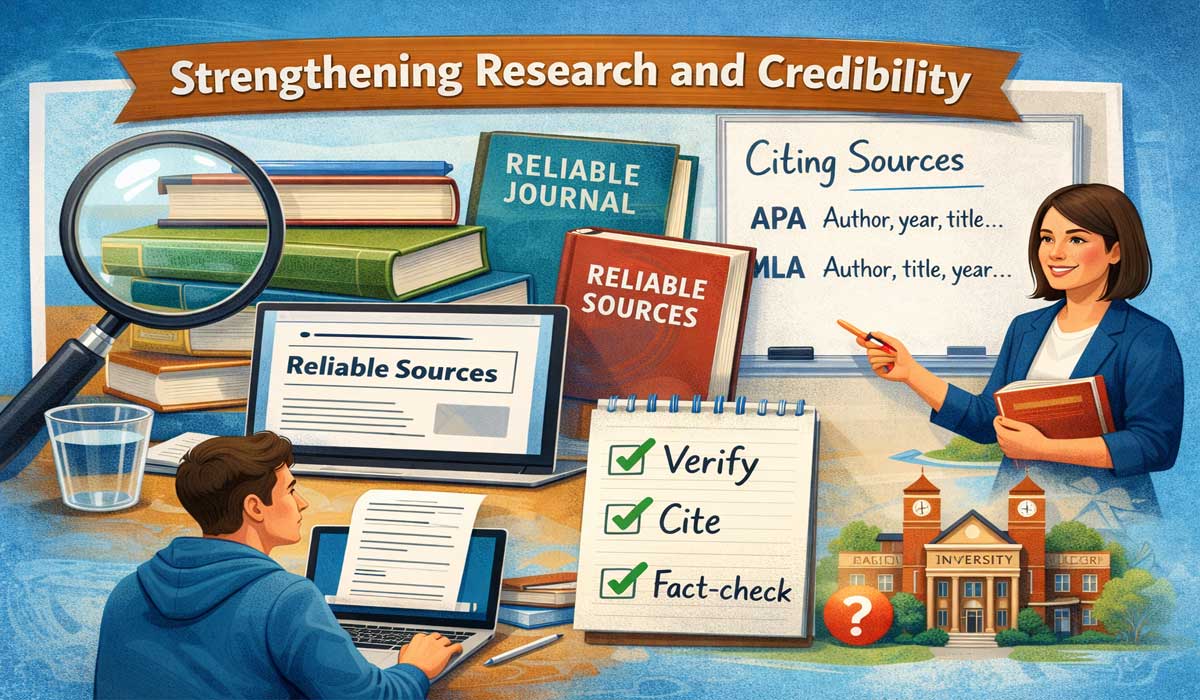
Reliable information forms the backbone of a quality article. Teaching students how to conduct proper research is crucial. They should learn to gather information from credible sources such as academic journals, reputable websites, and expert interviews. This practice enhances accuracy and builds trust with readers.
Citing sources and verifying facts are also important skills. Teachers can introduce basic referencing techniques to ensure transparency. When students understand the importance of credibility, they become more responsible writers. A well-researched article not only informs but also demonstrates professionalism and integrity.
Editing and Refining the Final Draft
Writing does not end with the first draft. Editing is a critical step in article creation. Teachers should encourage students to review grammar, punctuation, and sentence structure carefully. Reading the text aloud can help identify awkward phrasing or unclear ideas that need revision.
Peer feedback is another valuable strategy. Allowing students to exchange drafts fosters collaborative learning and fresh perspectives. Constructive criticism helps refine arguments and improve overall quality. Through careful editing and revision, a good article can evolve into an outstanding piece of writing.
Teaching on article creation is a journey of developing both technical and creative skills. By guiding learners through purpose, structure, clarity, research, and editing, educators equip them with tools for effective communication. With consistent practice and thoughtful instruction, students can master the art of crafting impactful and meaningful articles.
mage Information Source:
First Image from: dcu.ie
Second Image from: turnitin.com
About the Author