In today’s fast-paced world, people are searching for ways to stay healthy while experiencing exciting adventures.
Adventure sports aren’t just for fun they offer real health benefits for both body and mind. From mountain hiking to white water rafting, these activities combine physical exercise with adrenaline-pumping experiences. The result is a perfect balance of challenge, fitness, and thrill. Below TEACHING will show how outdoor adventures can improve strength, health, and happiness.
Why Adventure Sports Are Great for Your Body
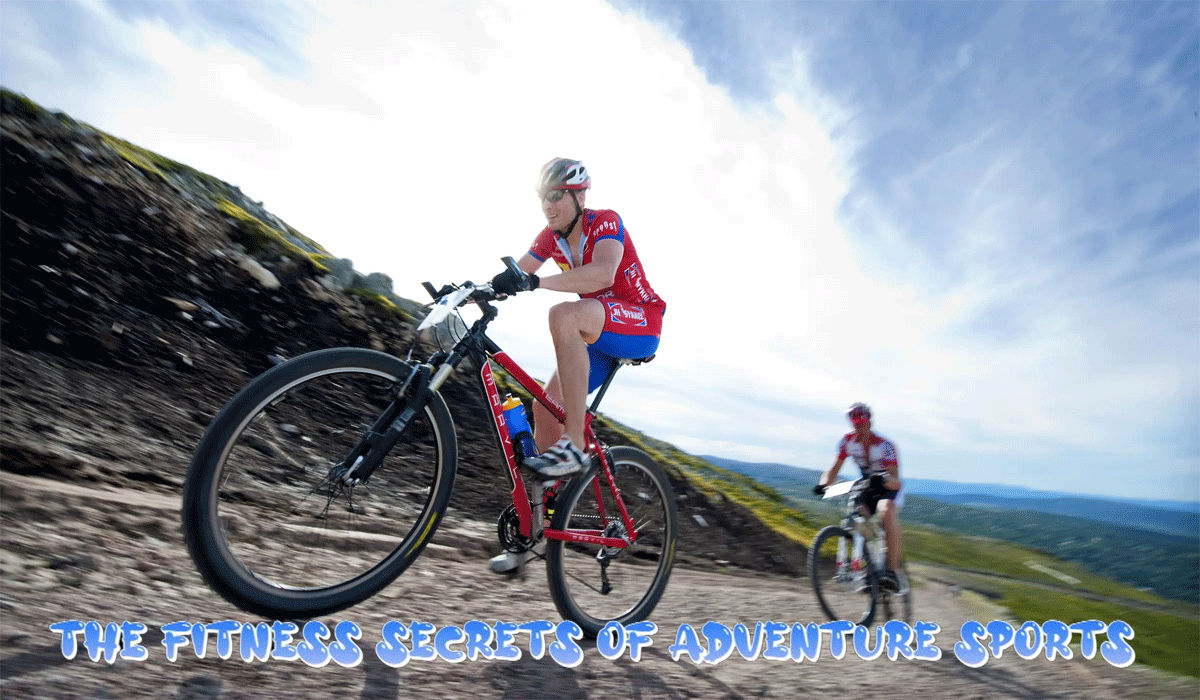
Adventure sports involve complex movements that improve overall fitness. Activities like hiking, rock climbing, or mountain biking strengthen the heart, build muscle, and improve flexibility. These exercises naturally combine cardio and strength training, boosting metabolism and lowering the risk of chronic illnesses.
Being outdoors also adds another layer of health benefits. Sunlight exposure helps the body produce vitamin D, strengthens immunity, and supports better sleep patterns. Fresh air and natural surroundings reduce stress and refresh the mind while exercising. In short, adventure sports don’t just burn calories they support total body wellness. Your muscles, heart, and immune system all benefit while you enjoy the thrill of exploring nature.
The Psychological Power of Adrenaline
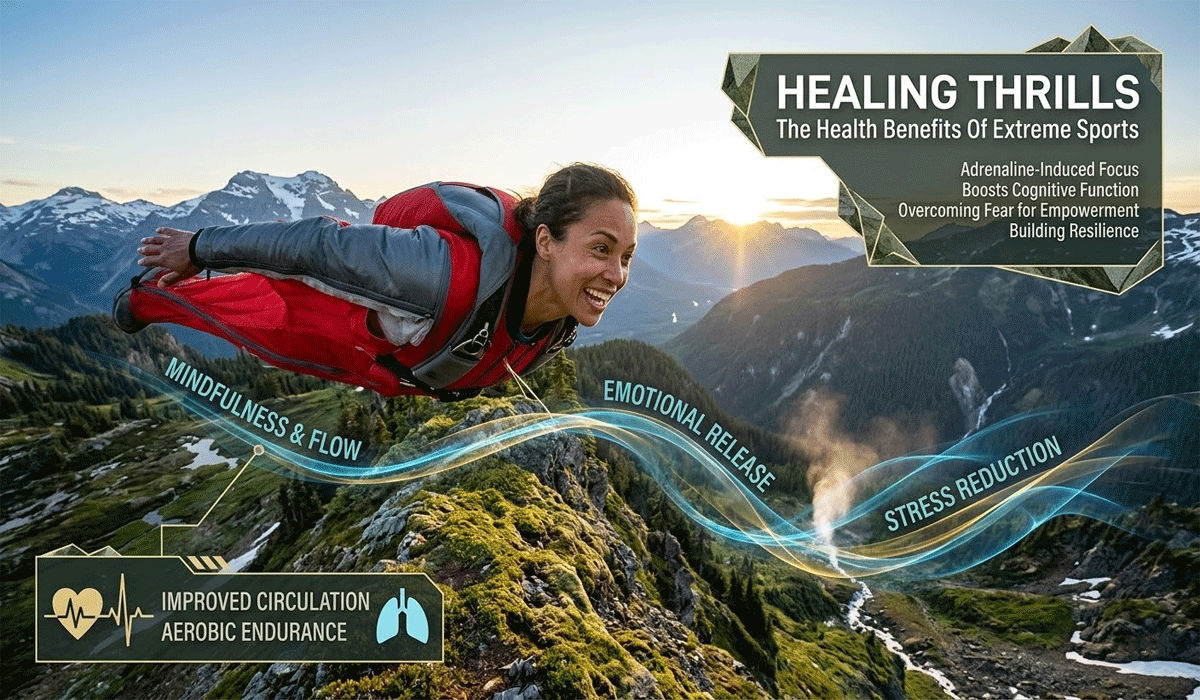
Feeling adrenaline rushes during activities like paragliding or bungee jumping has real psychological benefits. Adrenaline and endorphins improve mood, reduce stress, and create natural euphoria. Challenging yourself in new ways also builds mental strength, teaching courage, persistence, and resilience.
Adventure experiences sharpen focus and decision-making. When navigating rough terrain or rapids, you must pay attention to your surroundings and act quickly. This develops critical thinking and boosts self-confidence. Beyond excitement, these activities provide mental clarity. Facing fears and overcoming challenges leaves you feeling empowered and more capable in daily life.
Read Also: Affordable Tech Innovations in Health, Sports, and Adventure
Adventures as a Social Experience

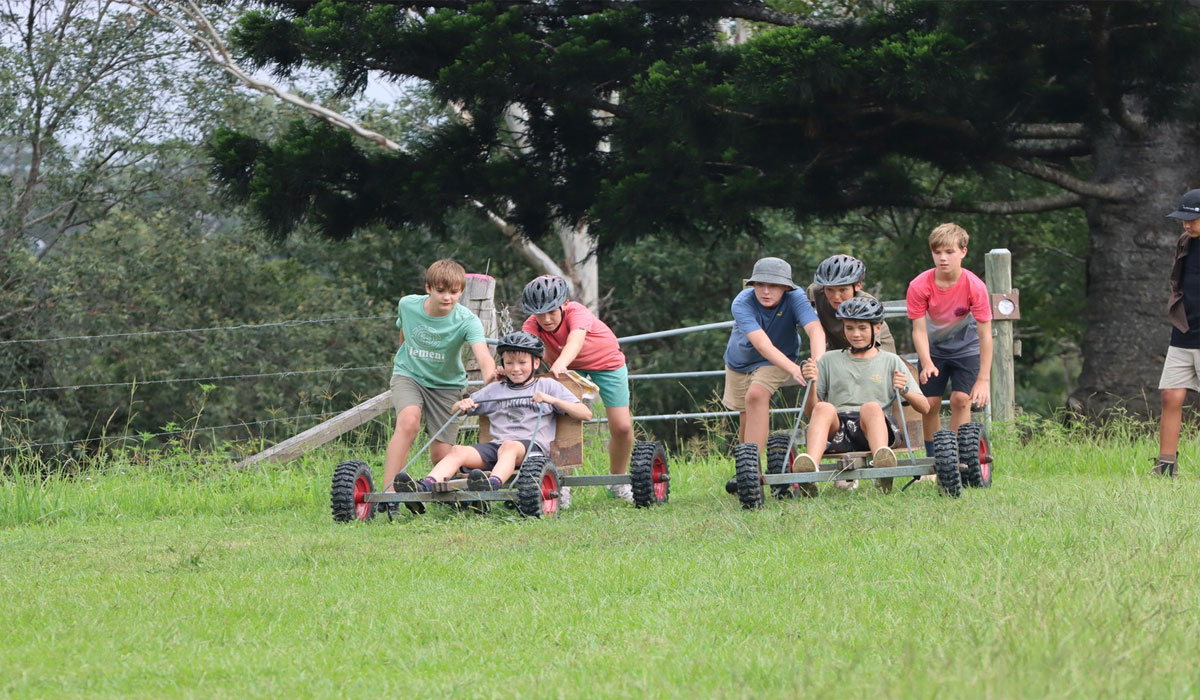
Adventure sports are rarely done alone. Hiking, rafting, or group cycling encourage teamwork and communication. Supporting each other during challenges strengthens friendships and reduces feelings of loneliness. Group adventures often create lasting memories and bonds.
Being part of a team also keeps you motivated. Knowing others rely on your participation encourages consistency and effort. Completing challenges together increases satisfaction and emotional well being. Social benefits are as important as physical ones. Adventure sports foster connection, cooperation, and shared joy while staying active.
Tips to Start Adventure Sports
Starting doesn’t mean going extreme. Begin with activities suited to your fitness, like walking in the forest, cycling on nature trails, or hiking small hills. Proper equipment and understanding basic techniques reduce injury risks.
Consistency is key. Set a regular schedule, gradually increase intensity, and combine with healthy eating and rest. This ensures your body has the energy to tackle bigger challenges safely. Listen to your body and progress at your own pace. Over time, small steps lead to stronger fitness, better endurance, and greater enjoyment of adventure sports.
Making Adventure Sports a Lifestyle
Integrating adventure sports into daily life has long-term benefits. It enhances physical fitness while balancing mental and emotional health. Regular outdoor challenges help you leave your comfort zone, discover personal strengths, and enjoy nature’s beauty.
Understanding the physical, psychological, and social advantages allows you to plan meaningful, healthy adventures. Adventure sports aren’t just thrilling they’re an investment in a happier, healthier, and more active life.
Your time exploring Learning Beyond the Classroom Adventure-Based TEACHING is greatly appreciated. Be sure to stay tuned for more creative ideas and effective strategies to implement adventure-based learning in teaching.
Image Information Source:
First Image from: eraspace.com
Second Image from: www.dayoutwiththekids.co.uk
About the Author